


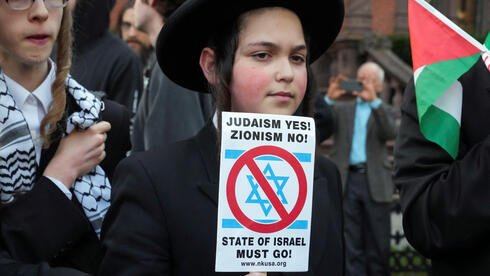
“They’re changing their names on social media to avoid harassment, removing mezuzahs from dormitories and avoiding Star of David necklaces. I’m worried not just about current antisemitism but its long-term impact, fostering assimilation. Those afraid to be Jewish may raise children and grandchildren who aren’t Jewish.”
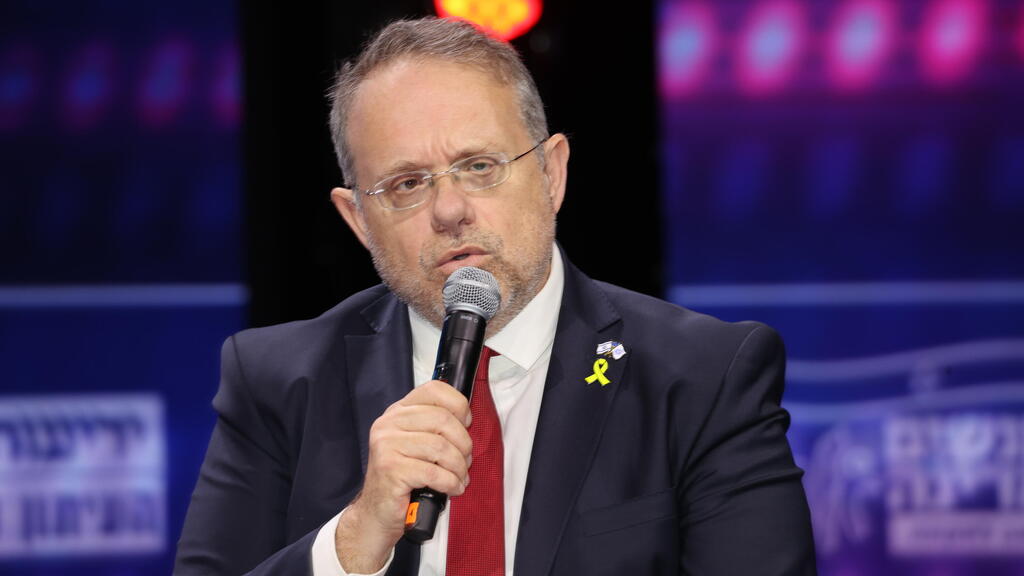
Hagoel noted that no Jewish community is immune to these fears, with the United States being particularly affected. “We’re working to strengthen community resilience and Jewish identity while fostering ties to Israel,” he said. “Since October 7, over 45,000 Jews have immigrated to Israel, which is heartwarming.”
“Mamdani, a self-proclaimed BDS supporter, is not just Muslim but antisemitic. We’re deeply concerned, especially compared to Mayor Eric Adams, who supports Israel and recently opened an antisemitism task force with me.”
While Mamdani’s candidacy isn’t finalized, his support among young voters, including some Jews, alarms Hagoel. “As an Israeli, it’s bizarre,” he said. “In America, it’s less so due to habitual Democratic voting, almost like a herd mentality.”
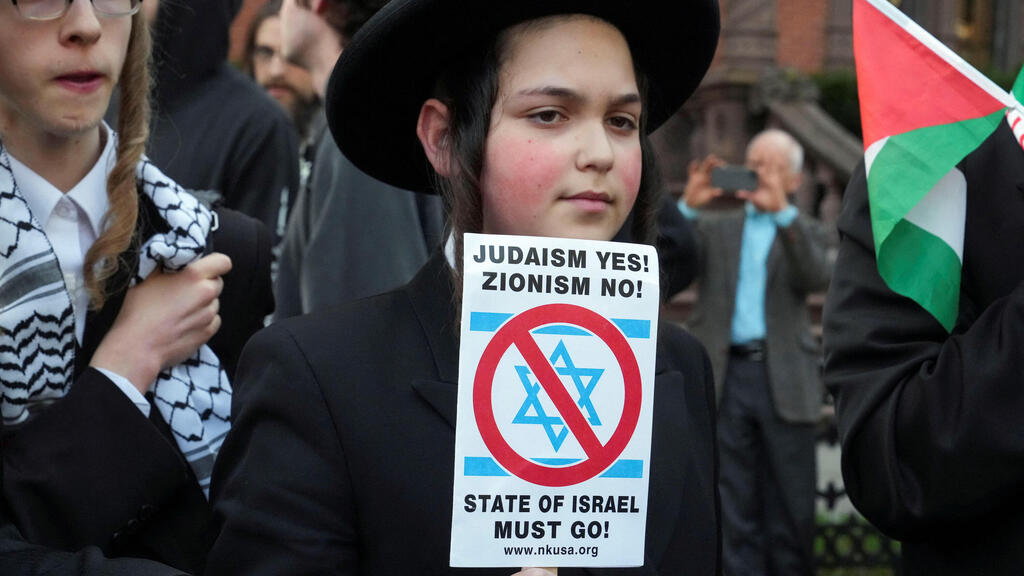
Commenting on recent Australian incidents, including the Melbourne synagogue arson and an attack on Israeli chef Eyal Shani’s restaurant, Hagoel said, “What’s happening in Australia mirrors global trends, with increasing Muslim immigration turning radical and anti-Israel, which equates to anti-Jewish sentiment.”
Commenting on the Gaza war’s impact, he acknowledged its influence but stressed that antisemitism predates recent conflicts. “Violent antisemitic incidents have risen for a decade, even without wars here,” he said. “Jew-hatred existed before 1948 and 1967. Let’s not fool ourselves.”
With the World Zionist Congress elections approaching in October, several Likud ministers, including Miki Zohar, Shlomo Karhi and Haim Katz are vying for influence. Hagoel, seeking a second term, expressed concern over ministers engaging in political maneuvering during wartime.
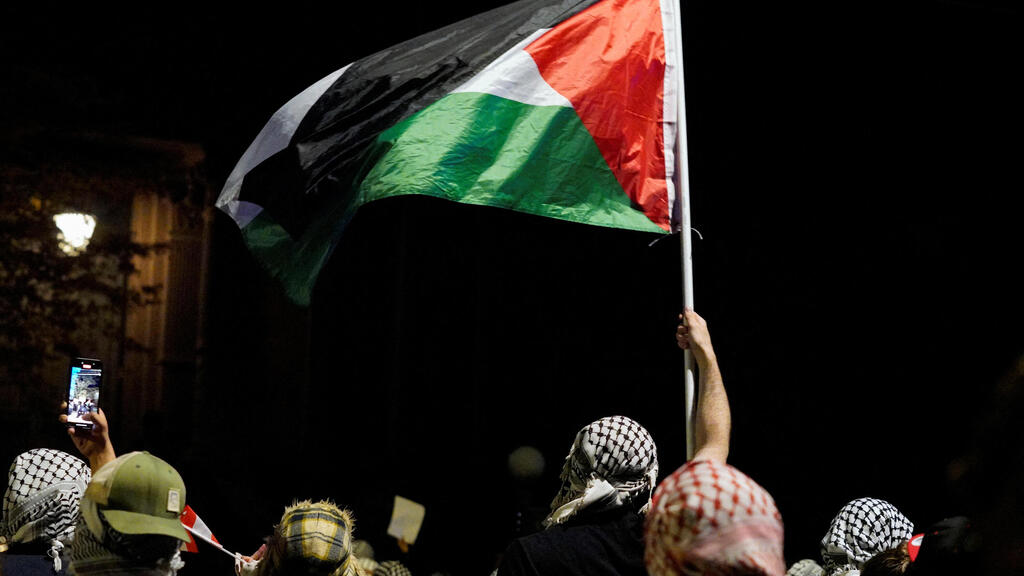
“I’m troubled that ministers are focused on this arena,” he said, noting an upcoming Likud convention in November, the first in 15 years, as a motivator. He urged Likud voters to support his re-election to continue connecting diaspora Jews to Israel.
“We’re in one of Israel’s most challenging periods since its founding, but it’s also an opportunity,” he said. “After October 7, many Jews, stunned by that day’s blow, are rediscovering their identity and want to connect with Israel. We’re seizing this moment to unite them with the Jewish people and the state.”
