


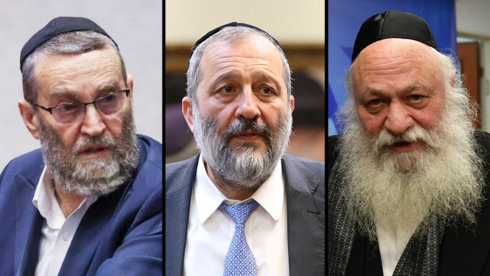
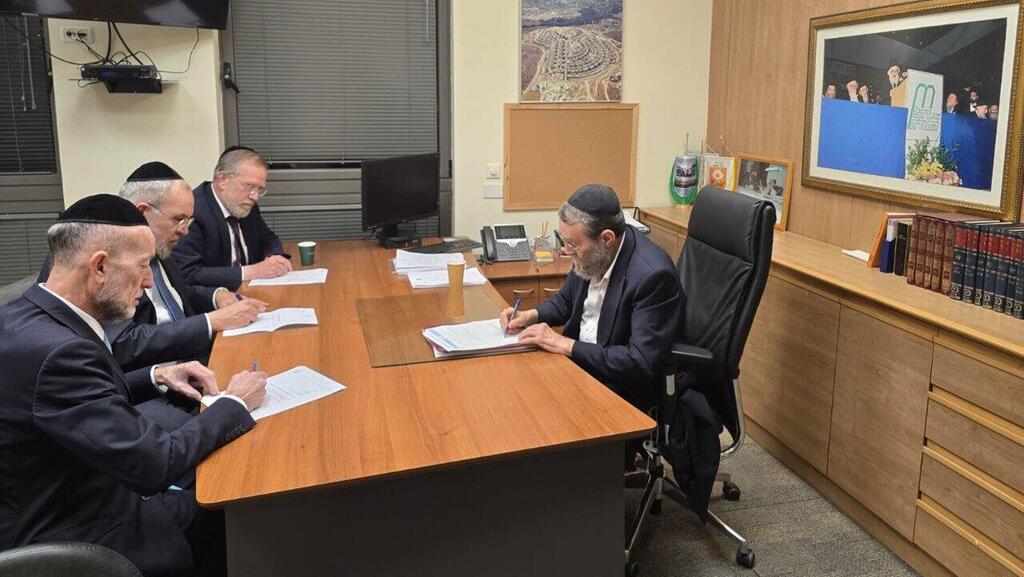
The prolonged meeting in Edelstein’s office suggested no deal was forthcoming. Knesset members updated their rabbinical leaders that no progress had been made. UTJ ministers and lawmakers finalized their resignation around midnight, claiming to have been “deceived” by Edelstein.
Departing ministers included Jerusalem Affairs and Heritage Minister Meir Porush, Deputy Culture and Sports Minister Yaakov Tessler and Deputy Minister at the Prime Minister’s Office and Deputy Transportation Minister Uri Maklev. Other of the party's MKs to step down included Knesset Finance Committee Chair Moshe Gafni, Interior and Environment Committee Chair Yaakov Asher and Special Committee for Public Petitions Chair Yitzhak Pindrus.
Some coalition members, including Likud MK Eliyahu Revivo, began eyeing the vacated ministerial posts. Revivo wrote on X that Likud, as a democratic movement, respects the party’s Knesset list rankings. Representing the populous Shfela region, he voiced confidence that appointments would proceed without political interference.
Shas, another major Haredi party, initially stayed quiet amid the political turmoil. While the party later signaled solidarity with UTJ and expressed frustration with Edelstein, it issued no formal statement overnight.
Party leader Aryeh Deri has worked to preserve coalition stability, notably blocking a Haredi-backed move to dissolve the Knesset before the Iran war, while maintaining leverage to pressure the government.
Shas’s next steps in the coming 48 hours will be closely watched, particularly to see whether its actions might prompt UTJ to reverse its resignations. Despite the dramatic walkout, a full government or Knesset collapse appears unlikely, with the coalition expected to survive the summer session ending this month.
Without UTJ, the coalition drops to 61 Knesset seats—and loses its majority if Avi Maoz, a former far-right ally who now votes inconsistently with the government, is excluded. If Shas also exits, the coalition would shrink to just 49 members.
The Haredi parties have already boycotted recent votes, effectively paralyzing the coalition’s legislative power.
With all opposition members already on board, nine additional signatures could compel Knesset Speaker Amir Ohana to bring the bill to a vote as early as next week, though several hurdles remain before new elections could be called.
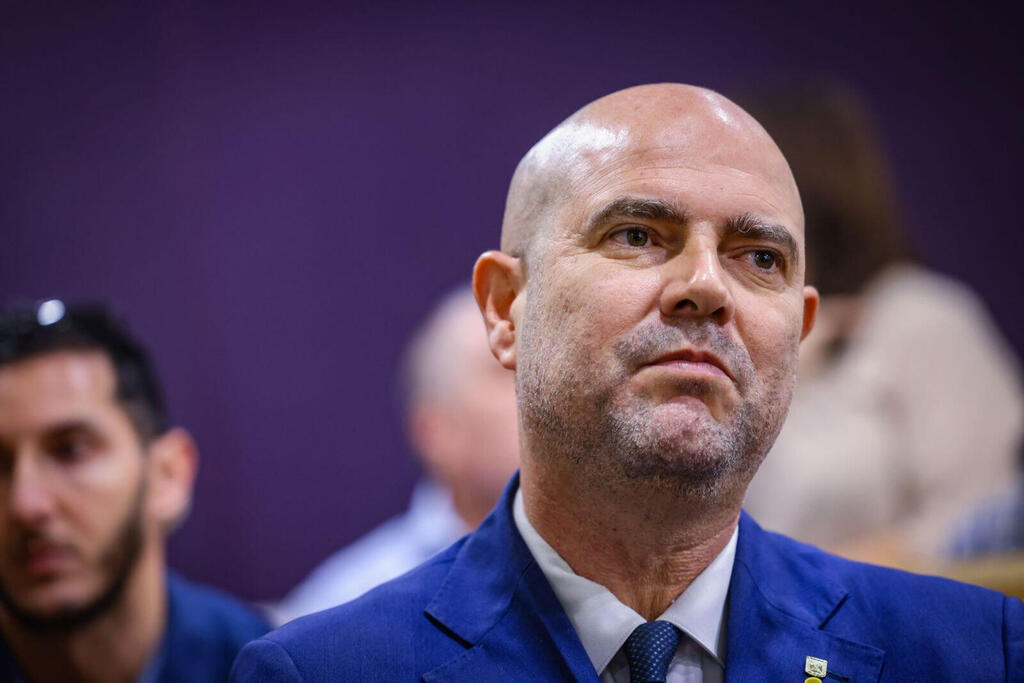
Edelstein attacked the ultra-Orthodox parties, claiming they violated an agreement from the night of the Iran strikes, when tensions also peaked. “Either we get a real draft law, or nothing,” he told them as the crisis escalated.
Facing pressure to back down and even threats of dismissal, Edelstein said privately he anticipated Haredi rejection of his draft law proposal, which he called the maximum defensible compromise. “I won’t abandon the draft law,” he said.
“As I’ve always said, I won’t support a draft evasion law, only a conscription law.” He accused the parties of breaking the Iran strike night agreement, which stipulated no government dissolution until the end of fighting, alleging they began threats and boycotts beforehand.
