


4 View gallery
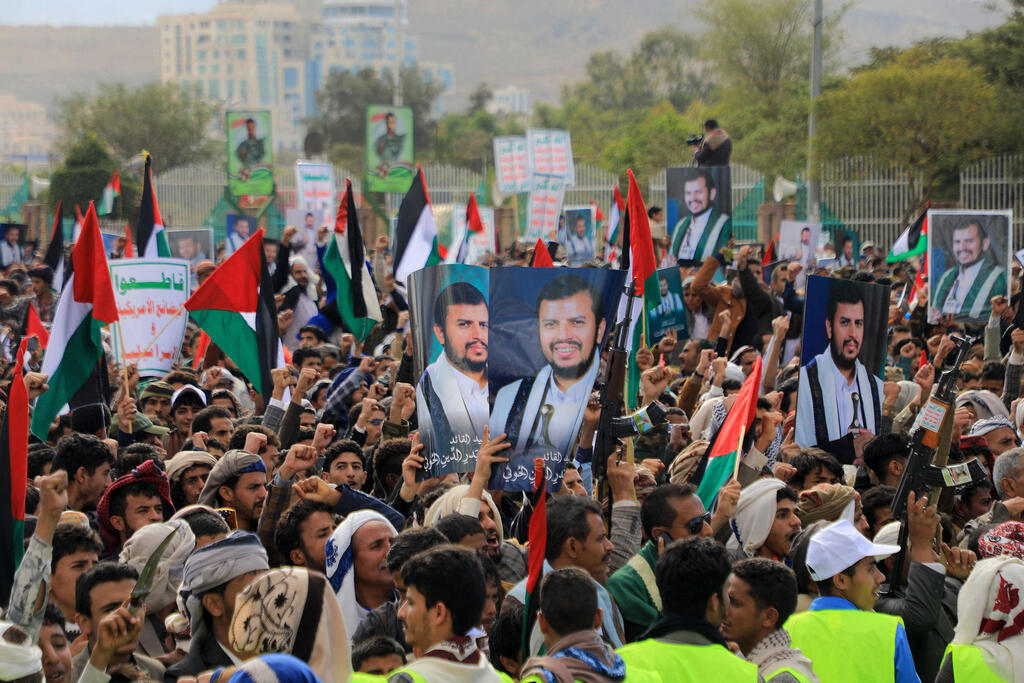
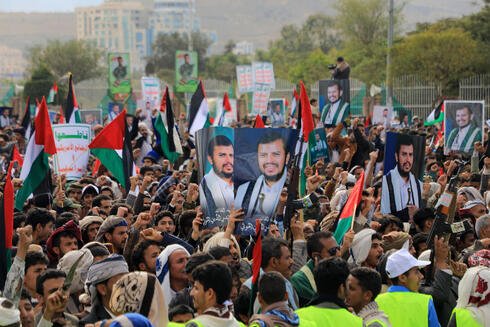
Houthis protest US-UK bombing holding pictures of leader Abdul Malik al-Houthi
(Photo: Mohammed Huwais / AFP )
Despite that, “the Houthis’ arsenal remains largely intact,” according to Tawfik Alhamidi, a Yemeni human rights lawyer and president of SAM Organization for Rights and Liberties.
He explained that the group has made use of Yemen’s mountainous terrain and its own experience fighting with the Saudi-led coalition. “This has given them expertise in hiding and distributing their weapons stockpiles across all the provinces under their control,” he said.
“It’s difficult to completely eliminate the Houthis’ missile arsenal,” he said. “Even the few missile platforms that have been destroyed are just part of a broader network of concealed stockpiles.”
This ongoing threat has left Yemeni civilians caught in the crossfire of a conflict that shows no sign of fully ending.
Despite the ceasefire with the U.S., the Houthis have continued firing missiles at Israel on a near-daily basis. Alhamidi said that the group does not want to give up the political capital of being seen as defenders of Gaza.
“It seems that President Trump did not want to incur further senseless losses of American weaponry against a group entrenched in a geographically complex area,” Alhamidi said, suggesting that the decision to exclude Israel from the ceasefire agreement was both political and strategic.
4 View gallery

President Donald Trump at the National Republican Congressional Committee
(Photo: Anna Moneymaker / Getty Images)
“It’s not enough to target Houthis’ missile platforms,” he continued. “We need a comprehensive strategy that addresses the underlying drivers of conflict and supports Yemenis in rebuilding their lives.”
While Yemen grapples with the fallout of an incomplete ceasefire, Syria is facing a different but equally fragile moment. Just days ago, rockets were fired from Syrian territory toward the Golan Heights, prompting Israeli retaliation. The strikes came at a particularly delicate time for Damascus, which is emerging from years of sanctions and international isolation and seeking to rebuild its standing on the global stage.
Mustafa Al-Naimi, a Syrian political analyst, questioned the rush to blame Damascus for the incident. “So far, there has been no accurate information issued by the Syrian Ministry of Defense regarding the nature of the Israeli statements,” he said.
Multiple news outlets have reported that the strikes were carried out by a little-known group called the Martyr Muhammad al-Deif Brigades.
Al-Naimi accused Iran of attempting to destabilize Syria. “Iran has lost all the leverage it had accumulated over the past years in its war against the Syrian people and has been removed from the scene,” he said.
4 View gallery
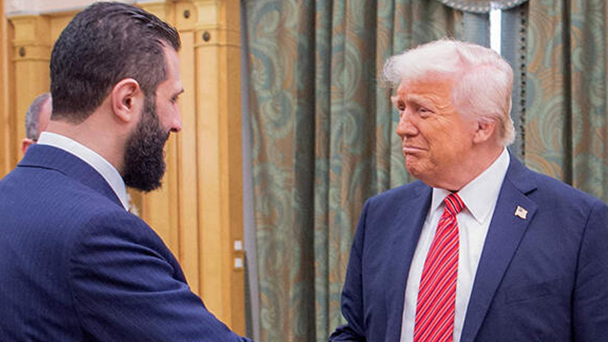
President Donald Trump and President Ahmad al-Sharaa
(Photo: AFP / Saudi Royal Palace / Bandar al-Jaloud)
Addressing speculation about possible coordination between the attacks from Syria and the Houthi launches from Yemen due to proximity of time, Al-Naimi downplayed the likelihood of a formal alliance between the Houthis and the Syrian group that struck Israel.
“The Houthi strikes are still ongoing independently, and the timing factor doesn’t translate in coordination between the sides,” he said.
While Iran once sought to unite anti-Israel actors in a “unity of the battlefields” strategy, that project “was shattered in Syrian territory and therefore cannot be completed at all,” given Iran’s setbacks in the conflict, Al-Naimi said.
Israel’s defense minister, Israel Katz, said after the strike from Syria that Israel considers “the president of Syria directly responsible for any threat and fire toward the state of Israel.”
Al-Naimi said that Syria’s leadership is committed to de-escalation. “This is what the president of the Syrian Arab Republic, Mr. Ahmad al-Sharaa, stated when he said, ‘We reject the use of Syrian territory as a launching pad for military operations against neighboring countries,’” he explained.
Israel struck southern Syria regardless, an act that Al-Naimi said threatened to undermine Syria’s fragile recovery.
“These strikes targeted the infrastructure of the former Syrian army, and thus their destruction would hinder any efforts to rehabilitate the military establishment in the southern region,” he said. He added that the weakening of state institutions could “allow the return of terrorism under various names,” threatening to reverse the gains Syria has made since the conflict’s peak.
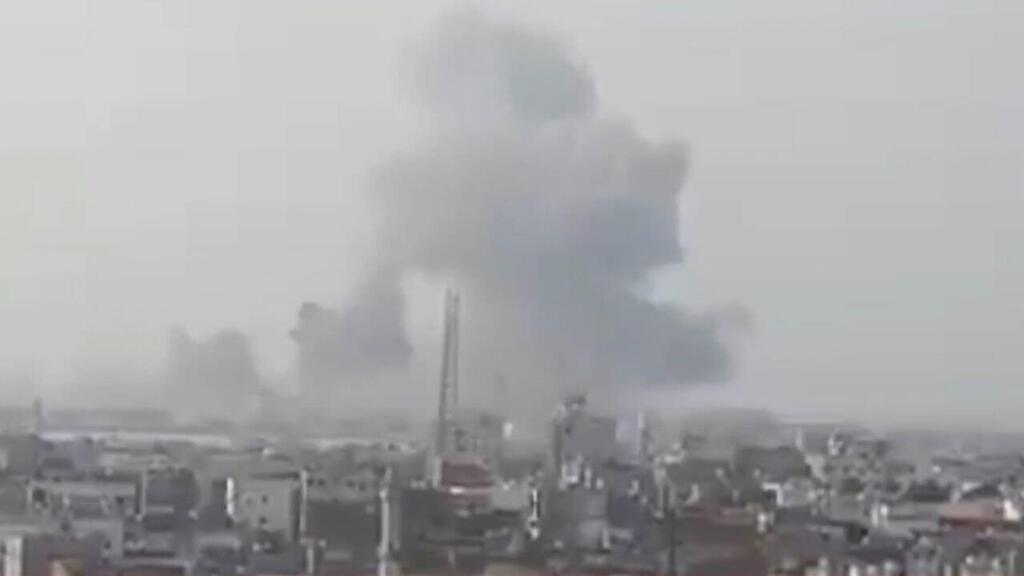
At a time when Damascus has been testing the waters of regional reintegration—including tentative discussions about joining the Abraham Accords—any escalation with Israel could derail progress. “The Syrian government is currently striving to prevent any clash, whether local, regional, or international, especially since any clash represents a threat to the security situation,” Al-Naimi said.
In Yemen, similar complexities persist. Alhamidi underscored that even accurate airstrikes cannot fully address the deeper issues of governance and humanitarian need. “The continued targeting of ports and airports not only affects the Houthis’ military logistics but also severely impacts civilians,” he said.
Both experts warned that escalation could unravel any cautious progress for civilians.
“Any escalation in Syria now risks undoing the fragile progress we’ve made,” Al-Naimi said. “The Syrian people deserve a future without foreign interference and constant fear of renewed war.”
