


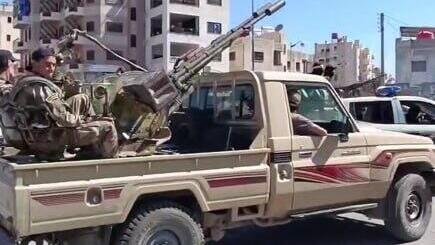
The strikes were carried out under instructions from the political leadership, the military said, and targeted military vehicles belonging to the regime. Syrian media reported that Israeli fighter jets struck parts of the city, with black smoke seen rising from one neighborhood amid ongoing clashes.
Syrian regime forces enter Druze-majority city of Sweida


The Israeli intervention comes as Syrian forces moved into Sweida in what Damascus described as an effort to restore order and assert control over the province for the first time amid days of sectarian violence against Bedouin factions. Israel has repeatedly expressed concern that Sharaa’s regime may target the Druze population, disarm their militias and undermine their autonomy.
IDF forces strike Syrian regime tanks in southern Syria
(Video: IDF)
Later, Netanyahu and Katz issued a joint statement instructing the IDF to “immediately strike regime forces and weapons deployed into the Sweida area of the Druze Mountain in Syria,” which they said were being used in operations against Druze civilians, violating a demilitarization policy agreed upon to prevent Syrian deployments near Israel’s border.
“Israel is committed to preventing harm to Druze in Syria,” the statement read, “due to the deep fraternal alliance with our Druze citizens in Israel and their historical and familial ties to the Druze of Syria. We are acting to prevent regime attacks on them and to ensure the demilitarization of the area adjacent to our border.”
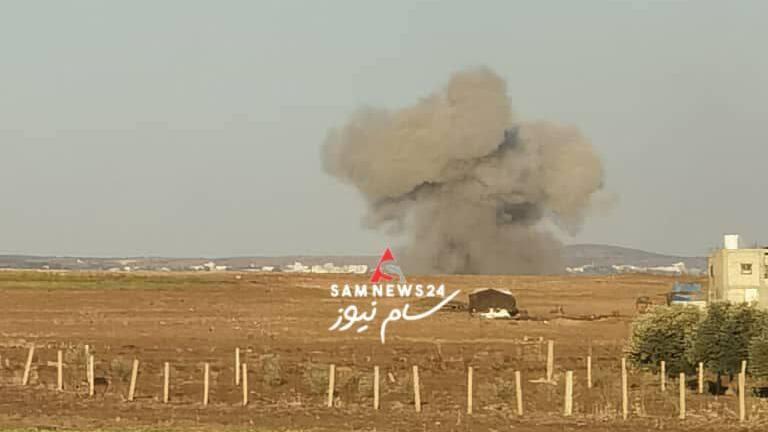
At least 99 people have been killed in the fighting, which erupted Saturday after a Druze vegetable merchant was reportedly kidnapped and beaten by Bedouins at a roadblock on the highway linking Sweida to Damascus. The violence quickly escalated into heavy gunbattles, kidnappings and widespread property damage.
As government troops advanced into the province Tuesday morning, heavy clashes and explosions were reported. However, shortly before noon, Syrian Defense Minister Murhaf Abu Qasra announced a ceasefire, claiming a deal had been reached with Druze elders. It remains unclear whether the truce will hold.
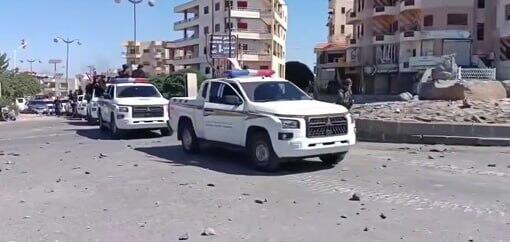
On Tuesday morning, the government imposed a curfew in Sweida starting at 8 a.m., and shortly afterward, the Defense Ministry confirmed its forces had begun entering the city. Residents were instructed to stay indoors and report any movement by “illegal groups”—a thinly veiled reference to armed Druze factions.
“Shells are still falling around my house,” a resident told AFP. “We’re hearing explosions, but the automatic gunfire has stopped.” Thick black smoke was seen rising from parts of the city, and Syrian state media claimed Israeli jets carried out strikes in the area.
Druze captives humiliated by Sunni forces in southern Syria
Israel has previously intervened in Syria in support of the Druze minority, including a strike Monday that targeted regime tanks in the region.
The Syrian Observatory for Human Rights reported Tuesday that the death toll had risen to 99, including 60 Druze—56 of them fighters—along with two women and two children. The other casualties include 18 Bedouins, 14 regime security personnel and seven individuals who remain unidentified.
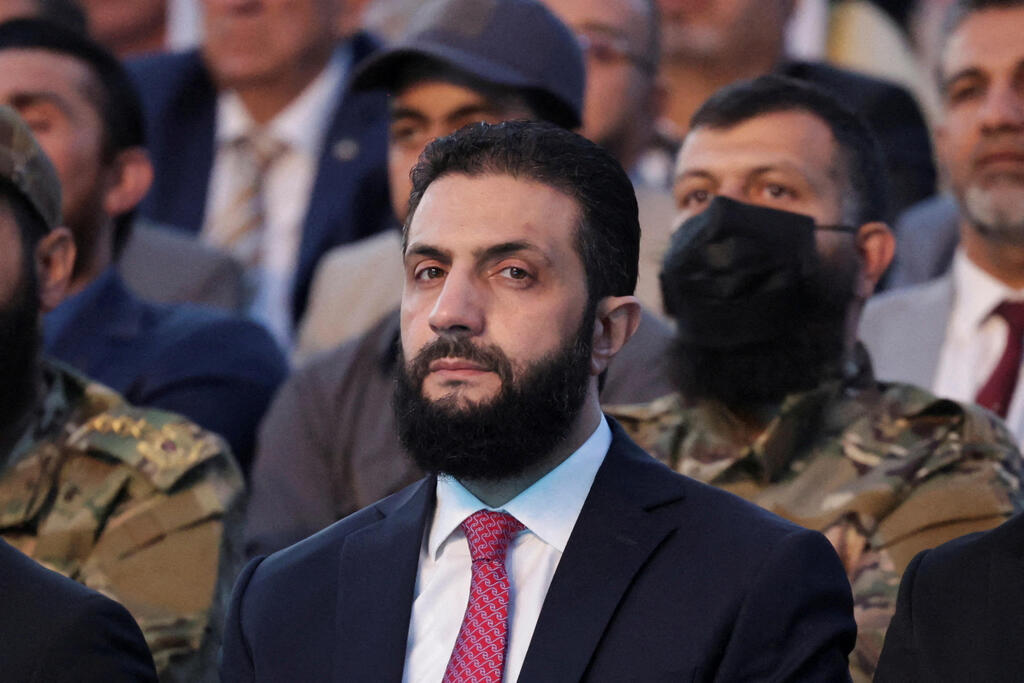
5 View gallery
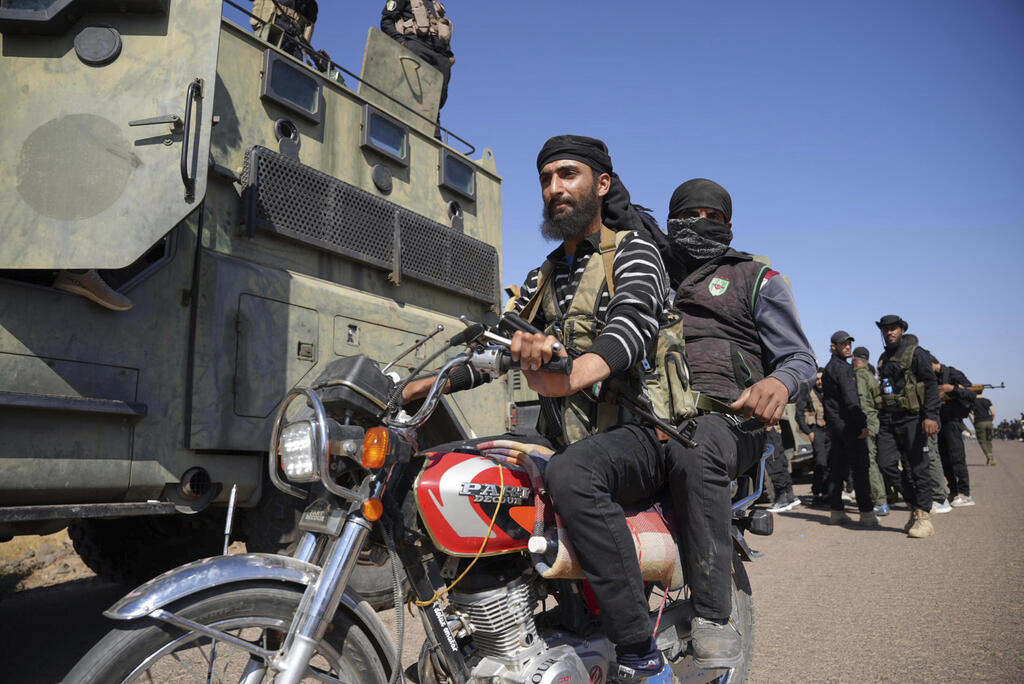
Bedouin gunmen and regime forces in Sweida province, southern Syria
(Photo: AP Photo/Malek Khattab)
However, Druze control of Sweida does not mean Damascus has accepted the situation. Syrian Interior Minister Anas Khattab said Sunday that the absence of state, military and security institutions in Sweida was a major driver of instability—remarks seen as laying the groundwork for Tuesday’s deployment of regime forces.
Druze leadership in Syria appeared split Tuesday over how to respond. An initial statement from the community welcomed the arrival of Sharaa’s forces and called on “all armed factions” to cooperate and lay down their arms.
5 View gallery
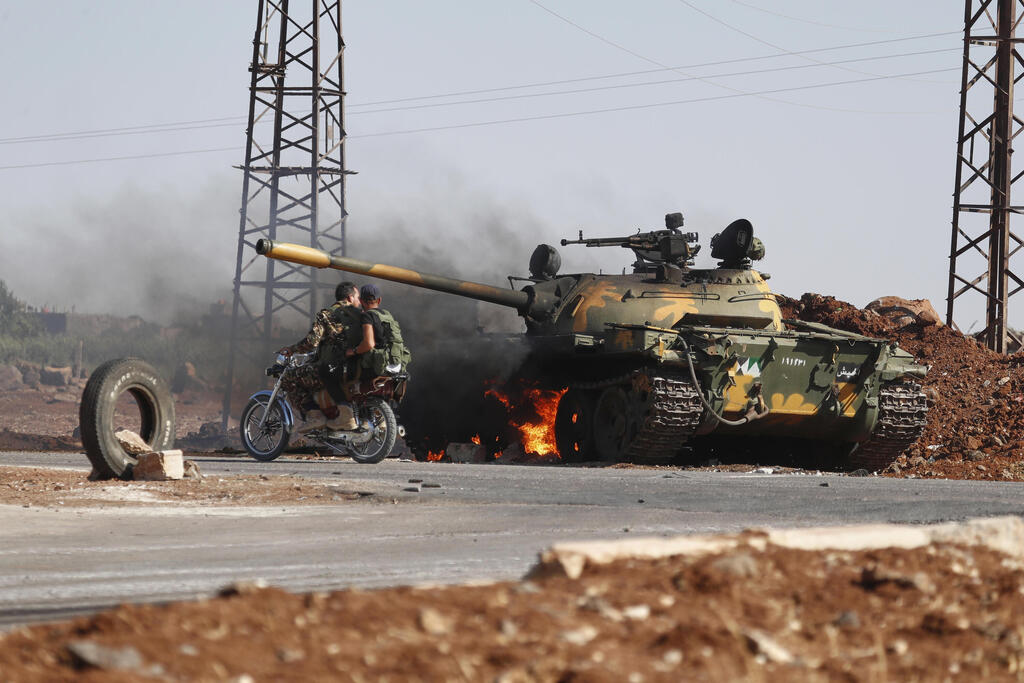
Bedouin gunmen and regime forces in Sweida province, southern Syria
(Photo: AP Photo/Omar Sanadiki)
However, Sheikh Hikmat al-Hijri, one of the most senior Druze religious leaders, later issued his own statement, claiming the statement of reconciliation had been forced on the community by al-Sharaa’s associates. He said the regime had broken its promises and continued “indiscriminate bombardment” of civilians: “We must stand proudly in the face of the annihilation campaign we are experiencing,” he said. “This barbaric operation must be resisted by all means.” Later, the regime claimed a ceasefire had been reached.
Shortly after troops entered Sweida and the ceasefire was declared, the region’s internal security chief, Ahmad al-Dalati, said the deployment had been coordinated with religious leaders “to end the era of chaos.”
“A new era will begin in Sweida, where the province will live as an inseparable part of Syria—geographically and socially,” he declared. Syrian news channel Al-Akhbariya reported that Syrian forces began withdrawing heavy equipment from the province following the ceasefire.
