


There are quite a few signs indicating that a discreet dialogue is being conducted between officers in the IDF and their counterparts in Damascus, at the initiative of the UAE.
The talks are meant first of all to discuss matters of security, but also economic normalization. Agricultural and commercial cooperation is thus far not on the agenda.
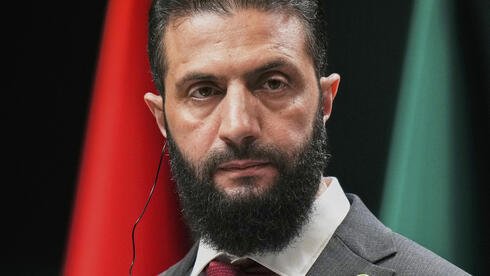
There is no shortage of reasons to suspect the new Syrian leader, Ahmad al-Sharaa. His past in jihadist movements and his involvement in terrorism cannot be ignored or erased, but he is, for now, shedding his past name as a revolutionary while fighting over Syria's future.
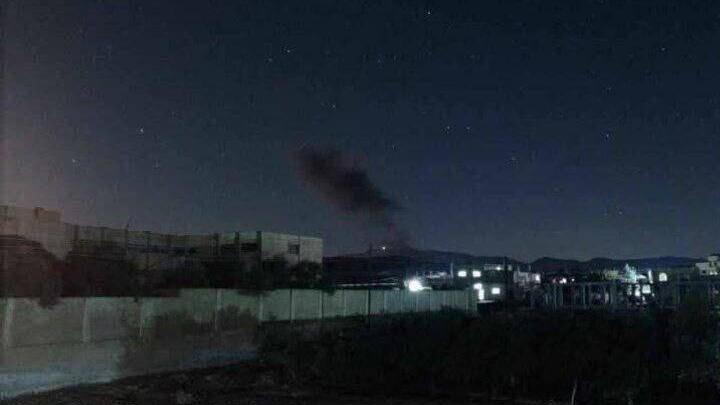
The rocket fire to the Golan Heights on Tuesday and Israel's strike in response had increased doubts that al-Sharaa was in control. But as far as Israel is concerned, he has made two positive overtures.
Israeli officials should hope that he triumphs over his opponents, who may be trying to kill him. Now that Arab nations have turned away from Israel, it is nice to see that there is a willing partner for dialogue in Damascus.
Israel should not miss the opportunity. Others in the Arab world are waiting to see if relations with Syria improve. Although Saudi Arabia's Crown Prince Mohammed Bin Salman has taken a step back from the possible normalization of ties, Iran remains a common enemy Riadh, Damascus and Jerusalem all share.
