



The high-stakes negotiation strategy
The American envoy is expected to arrive by the end of the week to push for a final agreement. Israel, having officially endorsed the plan, is supporting his efforts with a negotiation strategy that combines tough posturing with tactical flexibility. The approach leverages both threats and incentives for Hamas.
At the same time, Israel is offering incentives, by allowing humanitarian aid and mobile homes into Gaza and facilitating infrastructure repairs to ease civilian suffering. Growing frustration among Gazans over Hamas' failure to address the crisis was becoming increasingly apparent.
Three pressure points on Hamas
Hamas' dilemma: Escalation or a deal?
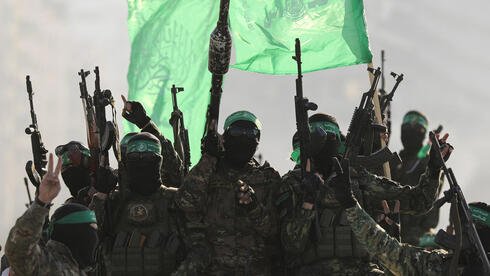
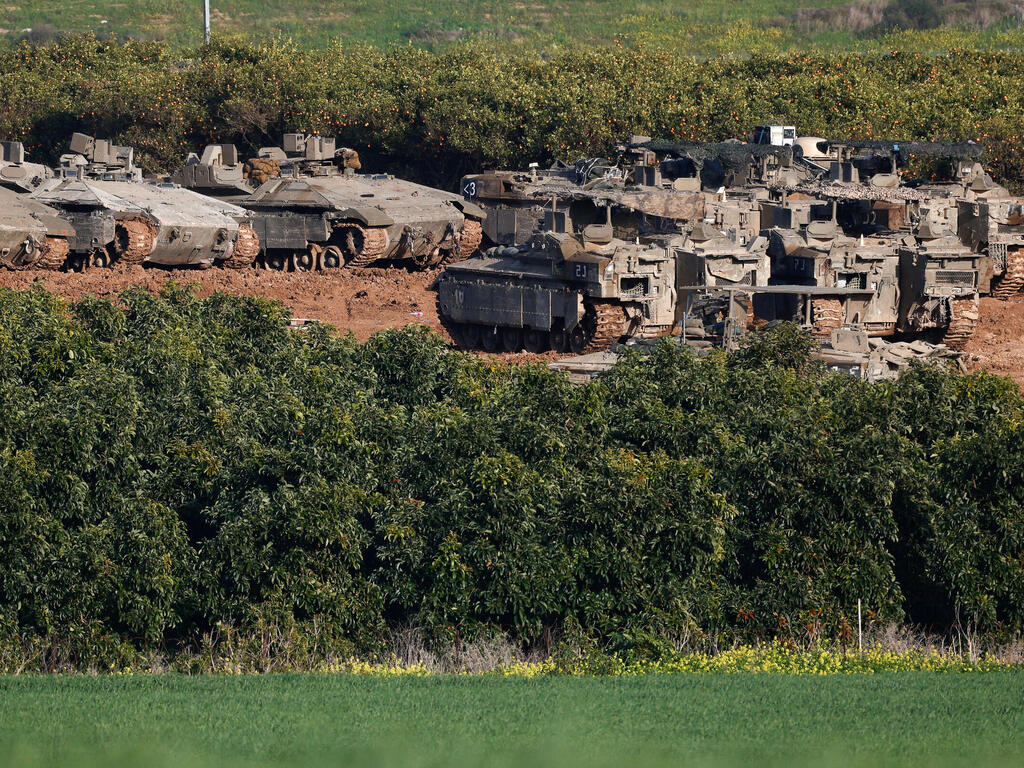
Hamas, for now, is playing tough, banking on the assumption that Israel would avoid resuming large-scale military operations for fear of endangering the hostages. But recent statements from Netanyahu and Defense Minister Israel Katz suggest that if Hamas refuses the deal, Israel may be willing to take that risk. The outcry from hostage families over the weekend underscored the grim reality Hamas now faces—however horrifying, the possibility that Israel might act despite the risks – is real, and Hamas was aware of it.
Another threat hanging over Hamas was the upcoming Arab summit in Cairo, where a post-war plan for Gaza—excluding Hamas—was set to be unveiled. This prospect worries Hamas even more than renewed fighting, as it could strip the group of its grip on power. Control over Gaza has been Hamas’ biggest achievement since its founding in the 1980s.
Losing both its official rule and its influence would not only weaken its position in Gaza but also undermine its claim to leadership of the Palestinian national movement and its ambitions to take over the West Bank and the Palestinian Liberation Organization. Hamas seeks to model itself after Hezbollah in Lebanon—an armed force wielding power behind the scenes—but the Arab proposal threatens to deny it that role. Its biggest fear is the return of the Palestinian Authority and a regional effort to disarm its forces.
3 View gallery

Gazans returning to the northern part of the enclave
(Photo: REUTERS/Dawoud Abu Alkas)
But Hamas' acceptance was far from guaranteed. One senior official in the terror group has already declared that the group would not surrender to pressure. If Hamas remains defiant, Israel may have no choice but to launch a large-scale military operation, further endangering the hostages.
At this stage, the outcome remains uncertain. Mediators are working to bring Hamas on board, while Israel has already given its approval. Hostage families continue to suffer, the Israeli public remains on edge, and Hamas is intensifying its psychological warfare, one of the few tools it has left to influence decision-makers in Jerusalem. By the end of the week—or perhaps even later—the picture may finally become clearer.
