


A senior diplomatic source emphasized that Israel’s position remains unchanged: “The release of all hostages and compliance with conditions defined for ending the war.” Officials stressed there is no rejection of a partial deal. Israel plans to pursue the Witkoff framework in its revised form and then negotiate disarmament, demilitarization and measures to prevent Hamas from governing Gaza.
Finance Minister Bezalel Smotrich reportedly recognized that Netanyahu was continuing to push toward a partial deal and urged transparency with ministers, noting the military operation is “limited and risky, intended solely to bring Hamas back to the negotiating table, not to achieve war objectives.”
Critics warned that repeated reserve mobilizations could lead to the loss of lives without achieving significant operational gains.
-
Release of half of the living hostages and 18 deceased in exchange for a 60-day ceasefire, with negotiations continuing under U.S. guarantees.
-
Agreement on a reduced buffer zone of 800–1,000 meters instead of Israel’s original 1,000–1,200 meters.
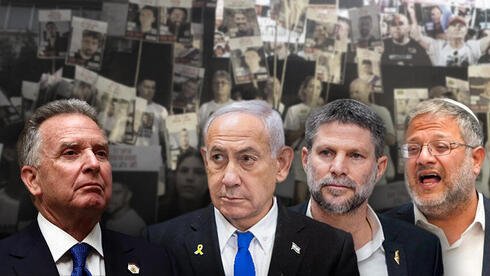
Politically, Netanyahu could move forward with a partial deal while the Knesset is in recess. Analysts said right-wing ministers Bezalel Smotrich and Itamar Ben-Gvir may pressure him but are unlikely to block it. Strategic Affairs Minister Ron Dermer, who has opposed partial deals, could raise concerns about limiting Israel’s future military options.
