


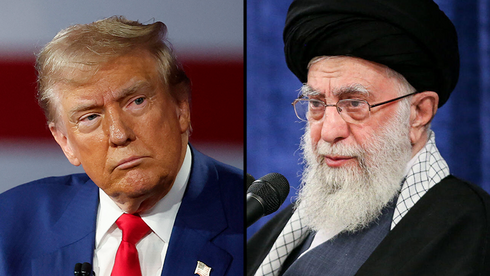
The additional carrier was already scheduled to replace the USS Truman and its naval task force, which is currently operating in Yemen. The Yemen operation itself was intended to demonstrate to Iran that Trump’s threats are not empty.
Iran has threatened to attack Diego Garcia. However, the island, located in the Indian Ocean, is about 2,480 miles from Iran’s closest point. While this distance does not limit U.S. bombers, it significantly restricts Iran’s ability to strike the island using ballistic or cruise missiles. Iran does operate drone carriers capable of sailing to the region and launching drones, but these vessels are easily detected by U.S. forces, rendering such threats nearly irrelevant.
In Israel, preparations are underway for such a scenario, particularly for possible retaliatory missile and drone strikes. However, the time for a major strike on Iran’s nuclear facilities—potentially a joint U.S.-Israeli operation—has not yet arrived. According to reliable sources, Iran has not resumed efforts to develop nuclear weapons or prepared for nuclear testing. Therefore, no viable targets currently exist in Iran.
Trump threatens Iran
(Video: X)


Over the weekend, Iran expressed willingness to engage in indirect negotiations on its nuclear program, significantly increasing the likelihood of U.S.-mediated talks, potentially facilitated by a Gulf Arab state—or perhaps already underway in secret.
Nevertheless, U.S. military buildup in the region cannot be ignored. Deployment of significant naval and strategic aerial forces to the Middle East represents a clear escalation in managing the conflict with Iran. In the language of unofficial diplomatic negotiations, this signifies a third level of escalation—beyond the ambiguous statement “all options are on the table” and the harsh sanctions already in place.
