


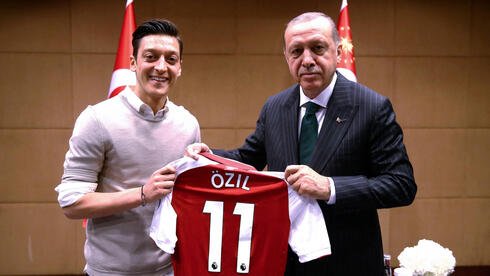
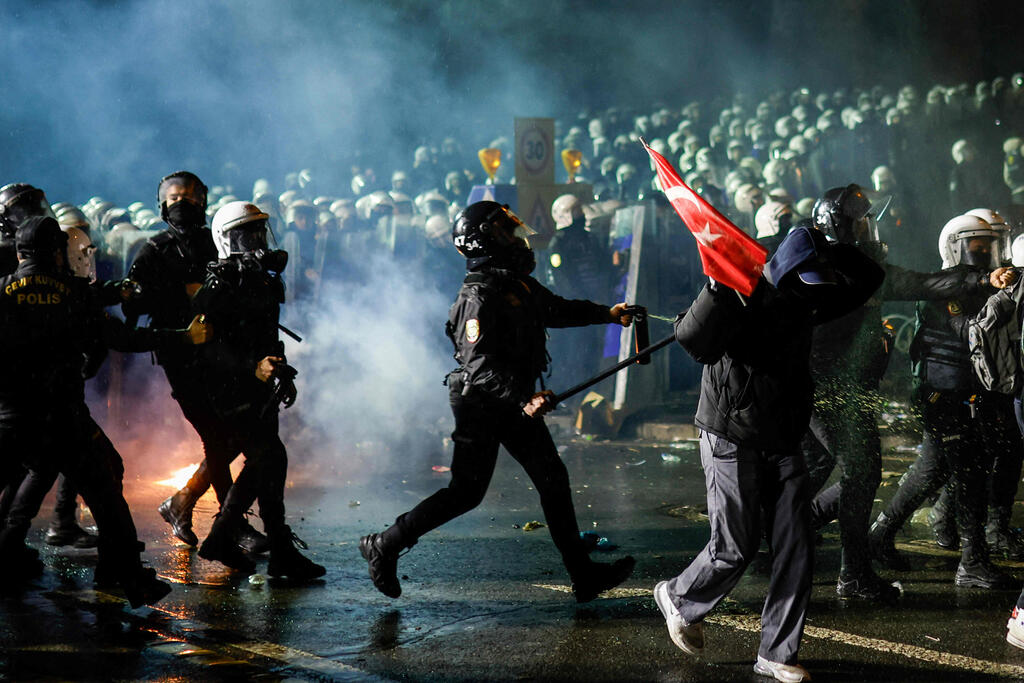
Despite a long list of controversies surrounding Özil’s post-soccer career, his latest move stunned even those with low expectations. As hundreds of thousands of Turks took to the streets in protest, popular British rock band Muse postponed an upcoming concert in Turkey and actress Aybüke Pusat was reportedly fired from a beloved television series after expressing support for a boycott of companies aligned with the government.
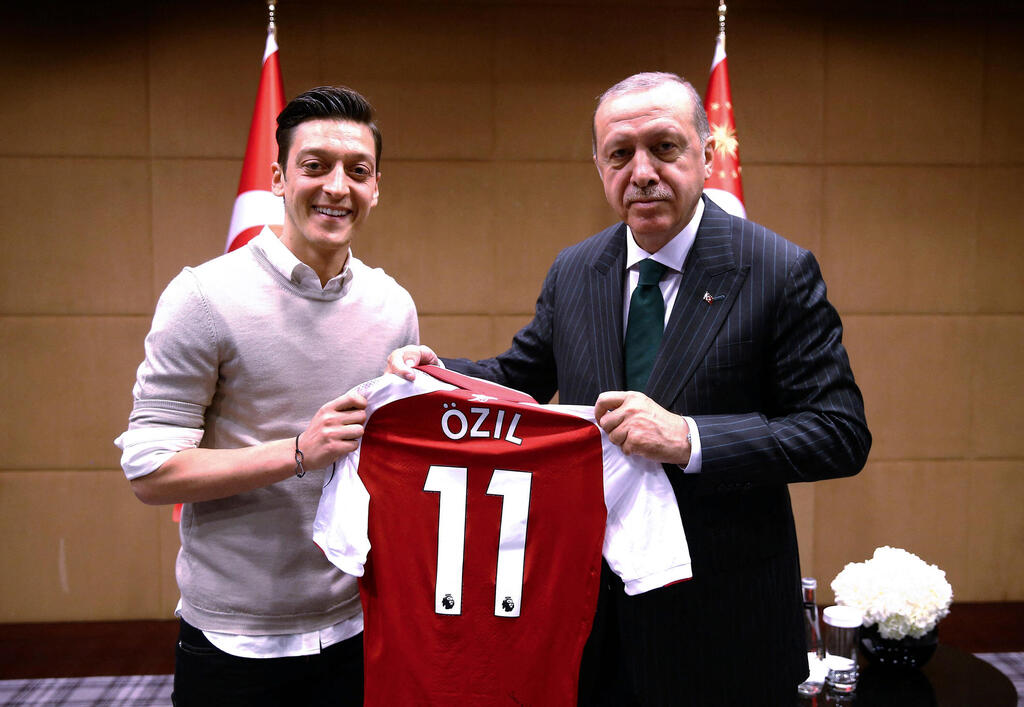
At a moment when public figures were taking clear stands against authoritarianism, many had hoped Özil—who grew up in a working-class Turkish-German household—might lend his voice to the opposition. Instead, he once again aligned himself with Erdoğan, reigniting criticism of his close ties to the president and disappointing fans who had once viewed him as a potential voice for change.
Kreuzberg meets Istanbul
But all of that, the entire on-field symphony, was merely a soundtrack to the deeper symbolism Özil carried. He broke boundaries. He embodied everything many hoped to see in immigration, in integration, in the beautiful fusion of East and West, of wild child and discipline. A grandson of Turkish immigrants—the so-called “guest workers” who stayed in Germany and made it their home—Özil grew up in the German soccer system, chose to represent the country that raised him, and made the world fall in love with a new kind of German soccer: sexy, immigrant, Berlin-style. Kreuzberg meets Istanbul.
No one came close to being a role model like Özil—especially not for young Turks, second- and third-generation Germans. He represented hope, dignity, self-belief. Anything was possible.
And the courage (and opportunism) he showed in choosing to play for the country that embraced him over the one where his parents were born. In recent weeks, however, as Özil has publicly backed President Erdoğan with full and unquestioning support, many Turkish fans reminded him where his national loyalty lay when they had hoped he would wear their team’s colors.
If only his imagination, technique, vision and ball control could be copied into a life beyond the pitch. “Özil is unique. There is no copy of him, not even a bad copy,” said José Mourinho, who coached him at Real Madrid.
Özil had once stood as the proof that integration could succeed. Erdoğan, by contrast, warned Turks in Germany to remain Turks.
A bitter exit from the national team
From here, things only got uglier. Germany was eliminated from the World Cup in Russia at the end of the group stage. Özil was accused of lacking patriotism. He, in turn, accused the soccer association and his teammates of racism, and of failing to stand by him when he was subjected to racist abuse. He retired from the national team.
3 View gallery

Protesters in Turkey hold a picture of Istanbul Mayor Ekrem İmamoğlu
(Photo: KEMAL ASLAN/AFP)
Testimonies from within the squad revealed how little loyalty his teammates showed him, exposing the hypocrisy behind Germany’s national team campaigns promoting inclusion, equality and diversity. While many of them protested against Qatar's hosting of the tournament, few stood by their teammate—the son of immigrants.
Once, Mesut Özil was the poster boy of great soccer, the symbol of hope for a connection between East and West. Today, he drifts between palaces and presidential chambers, embodying fracture, division and a world split apart. No matter how many times it happens, it still breaks your heart.
