


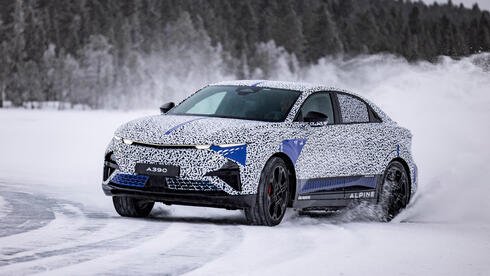
Renault's sporty electric sub-brand is gearing up to launch the compact and playful A290 — essentially a spirited sibling to the Renault 5 — before the end of this year.
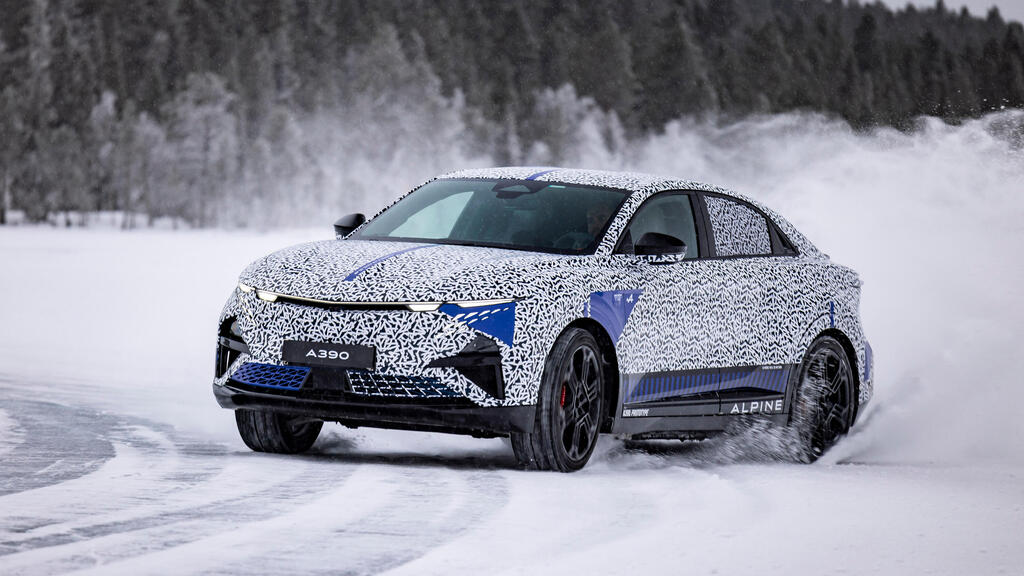
In 2026, it’ll be joined by the A390, a sleek four-door coupe-SUV based on the electric Megane platform. Featuring three electric motors — two at the rear and one up front — it’ll offer all-wheel drive and rear torque vectoring. Alpine claims 0–100 km/h (0–62 mph) in just under 4 seconds.
At the heart of this new generation are high-density cylindrical battery cells and an 800V architecture for ultra-fast charging. BMW says the result is 30% more driving range, with some models expected to surpass 800 km (497 miles).
Three years after its prototype debut, Jeep’s electric Recon is finally hitting Israeli roads. It stays true to the rugged Jeep look, with removable doors like the Wrangler. It’ll feature dual motors producing up to 600 hp, locking differentials, off-road tires and a range of 400–500 km (249–311 miles).

Jeep will also introduce a new Compass, built on the Peugeot 3008 platform with the same familiar gas and electric powertrains.
In 2026, Genesis will join the likes of Audi RS, Mercedes AMG and BMW M with a new performance division dubbed “Magma.” The first model to land will be the GV60 Magma, a sibling to the Hyundai Ioniq 5N, followed by a similar version of the GV70. With former BMW M boss Albert Biermann on board to tune the chassis, expectations are sky-high.
The Chinese premium EV brand under Geely is expanding its Israeli lineup next year with two standout models. The Zeekr 007 will arrive in a unique GT wagon form, with a top-tier version hitting 0–100 km/h (0–62 mph) in just 2.85 seconds. Another addition is the massive 9X, a three-row SUV and Zeekr's first plug-in hybrid, delivering more than 850 hp.

Jaguar’s radical Type 00 concept is like nothing the brand has made before. While purists slammed the design for abandoning Jaguar’s rich heritage, the company sees it as key to repositioning itself against ultra-luxury rivals like Rolls-Royce and Bentley.
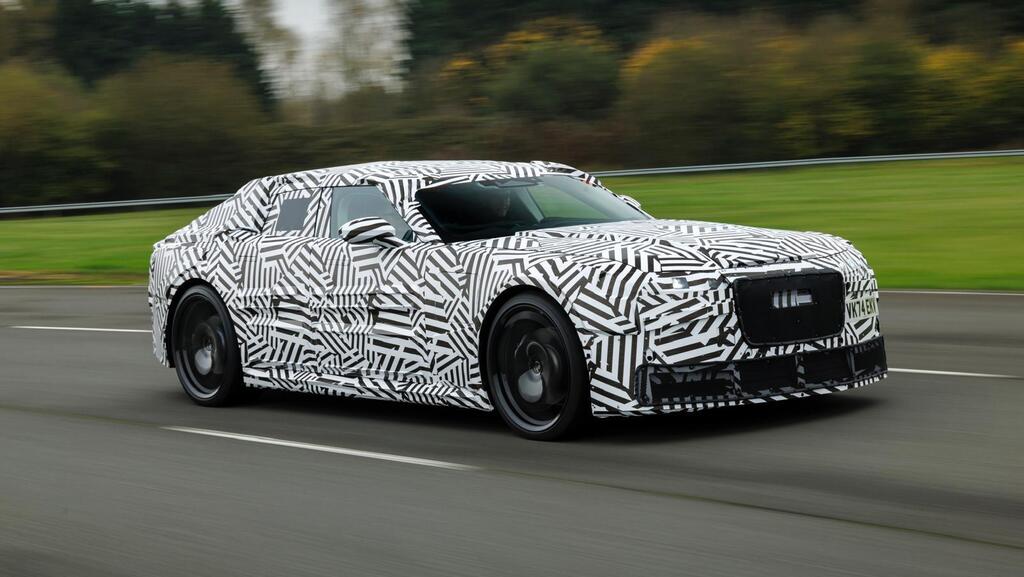
With the current lineup now discontinued, 2026 could be Jaguar’s last real shot at a comeback. An in-production version is due next year.
Like BMW, Mercedes is preparing a new wave of EVs with 800V architecture for ultra-fast charging. Unlike its Bavarian rival, Mercedes is going for a flexible platform that supports both electric and combustion engines.
Three models are expected in 2026: a new CLA with nearly 800 km (497 miles) of range and an AI-based OS, a next-gen electric GLC replacing the EQC and an electric V-Class van with a 500 km (311 miles) range.
Chinese EV maker Nio has struggled to gain traction in Israel due to high prices. But in 2026, it plans to introduce two more affordable sub-brands. Firefly will offer an elegant supermini aimed at Mini and Smart, while Onvo will bring the L60 SUV to compete with the Xpeng G6 and Tesla Model Y.
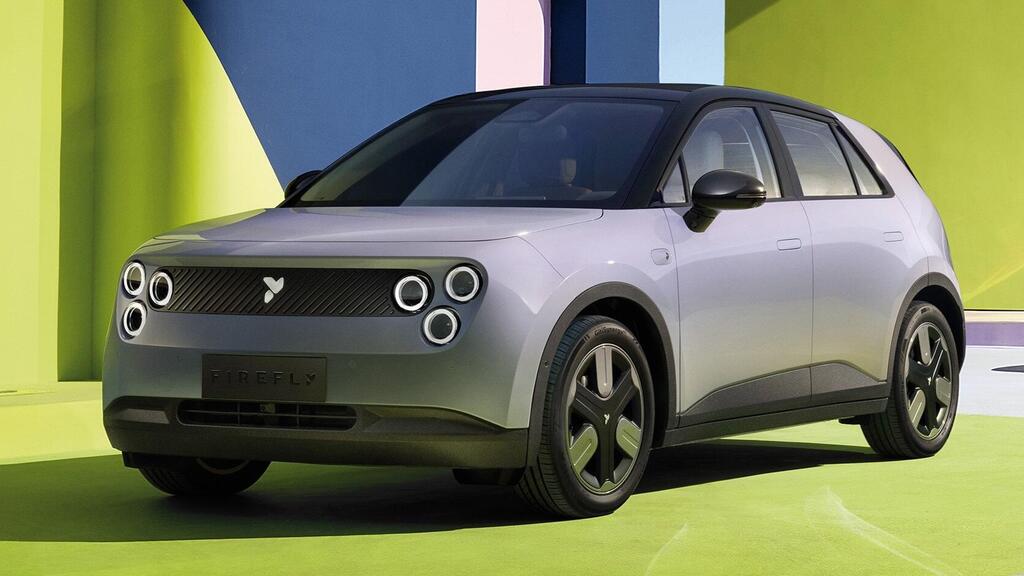
Both will support Nio’s battery-swap system — potentially a game-changer if the importer builds swap stations locally.
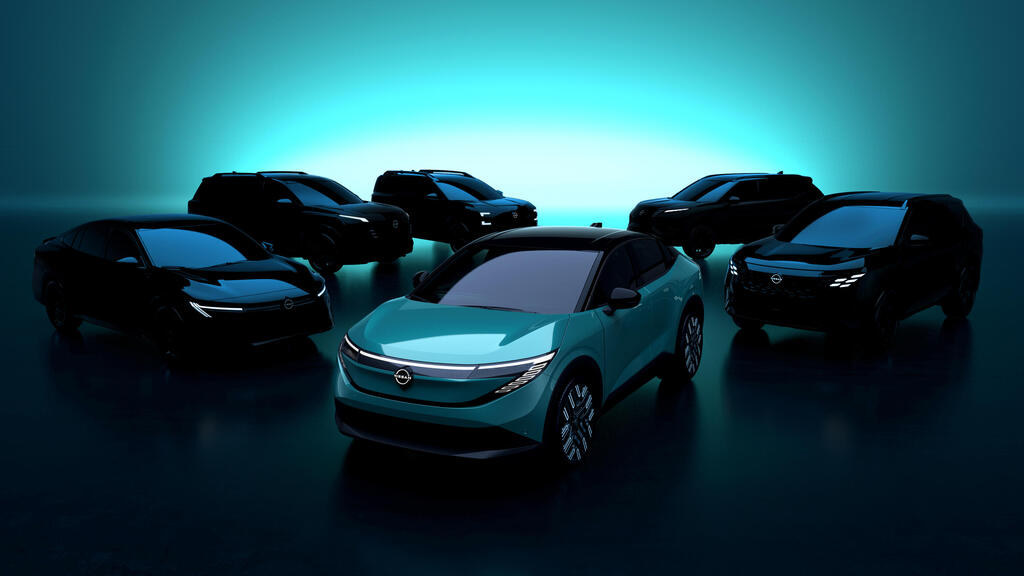
Despite rumors of its decline — and a failed merger with Honda — Nissan says it’s ready to launch a wave of new models. In 2026, a new Micra will arrive, essentially a rebadged Renault 5 built in France on the same platform. A new Leaf may also join, based on the Renault Megane E-Tech with identical platform and powertrain.
The all-new Smart 5, the brand’s third model under Geely and Mercedes, will be its toughest-looking car yet. It’ll come as either a full EV or a plug-in hybrid and is sized to compete with the Hyundai Ioniq 5 and Tesla Model Y. Later, Smart will launch its first-ever sedan — the Smart 6 — built on the same platform as the advanced Zeekr 007.
Skoda will expand its EV lineup with the small, urban-focused Epiq SUV. The concept version looks chunky yet cute and matches the Fabia in length. Range is expected to hit 400 km (249 miles), with a starting price of €25,000 ($28,416) in Europe.
After launching the family-oriented EV4 this year, Kia will introduce a compact SUV called the EV2 in 2026, aimed at a crowded field including the BYD Atto 2 and Citroen C3 Aircross.
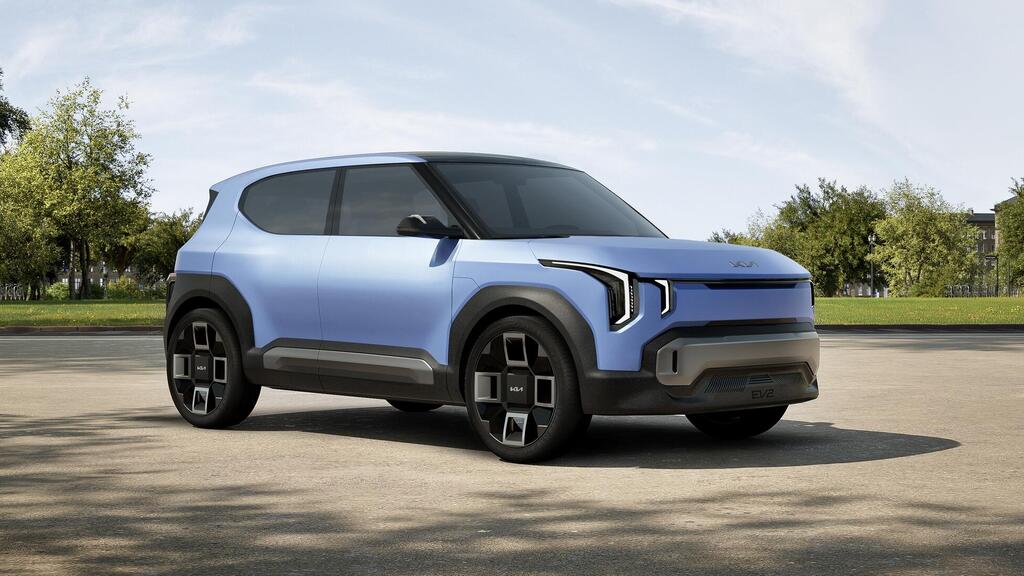
The concept teased aggressive styling and wild ideas like reverse-hinged doors (suicide doors), removable speakers for outdoor use and message displays on the door panels. If priced right, it could be a breakout hit.
Following the revival of the 1980s Renault 5 and the 1960s Renault 4, the French brand will bring back the quirky 1990s Twingo in 2026. Retro styling touches — like a skateboard-inspired seat adjuster — meet modern screens and tech.
At 375 cm (147.6 inches), it’s 17 cm (6.7 inches) shorter than the already compact Renault 5. It’ll use a 120 hp motor and offer a modest 300 km (186 miles) of range.
