


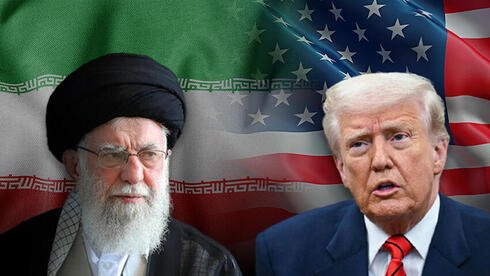
2 View gallery

Oman’s foreign minister Badr al-Busaidi meeting with his Iranian counterpart Abbas Araghchi
(Photo: Reuters)
On paper, this trio seems mismatched. In person, they’re all roughly the same age, fluent in English and surprisingly upbeat about their prospects. This weekend, they met in Muscat, Oman’s capital, for the first direct Iran-U.S. contact in nine years.
The fact that they met at all is news. Iran’s Supreme Leader Ali Khamenei, in a rare public acknowledgment, admitted that Tehran was “in dialogue with the American enemy.” He also cautioned the Iranian public not to get their hopes up: “We know who we’re dealing with, and there’s every chance no understanding will be reached.”
Khamenei still hasn’t forgiven Trump for the 2020 assassination of Qassem Soleimani, the commander of Iran’s Quds Force and one of his most trusted lieutenants. In a televised address, Khamenei swore never to forgive what he called “the vile murderers.” The bitterness hasn’t faded, and it looms over every word of diplomacy.
Still, something shifted. Witkoff described the talks as “constructive.” Araghchi said the Iranian side “saw real determination” from the Americans and is “learning how to manage the next round.” Al-Busaidi went so far as to call the atmosphere “friendly enough to bridge differences.”
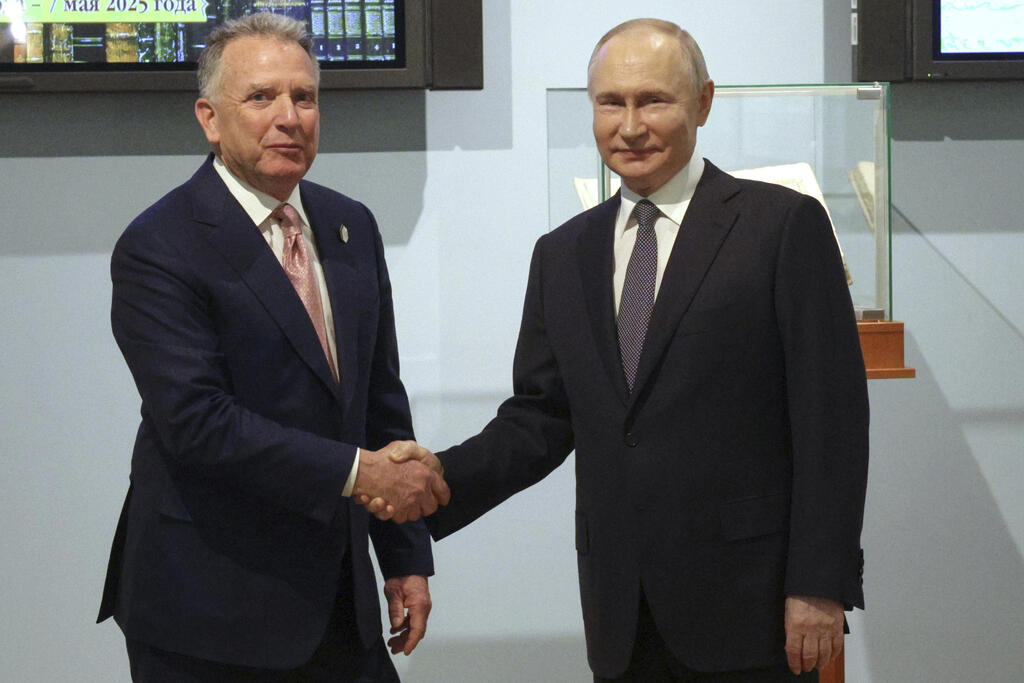
For now, however, Araghchi maintains Iran’s nuclear ambitions are strictly civilian. Witkoff, to the frustration of Prime Minister Benjamin Netanyahu, isn’t demanding a full dismantling of Iran’s program. Instead, he’s calling for slowing enrichment, restoring international inspections, and granting access to all nuclear facilities.
Iran, perhaps sensing a narrow window of opportunity, has expressed “openness” to limiting uranium enrichment. But without tangible economic incentives, it’s unlikely to concede much.
The next round of talks is set for Saturday in an undisclosed European city. Al-Busaidi will return, ready to facilitate. Round one outlined the limits of the possible. Round two may reveal whether a path to agreement exists.
 Smadar PerryPhoto: Yariv Katz
Skeptics abound, particularly in the Arab world. One Egyptian diplomat put it bluntly: “Trump already got burned once by Iranian promises. Someone should remind him: You don’t make the same mistake twice. The Iranians will not give up their military nuclear capability.”
Maybe not. But for now, the unlikely trio of Araghchi, Witkoff and al-Busaidi is talking—and that, in itself, is a step.
