


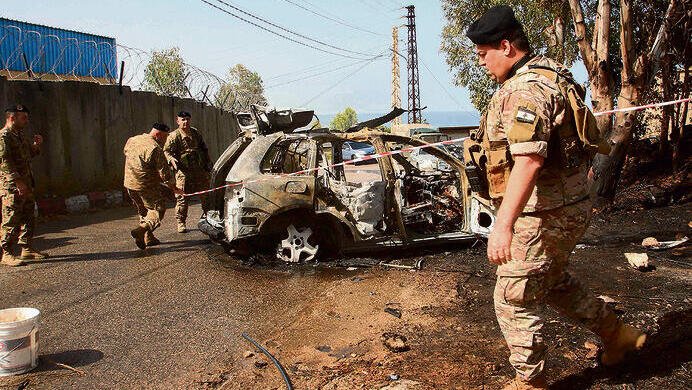
In the 148 days since a ceasefire was reached on the northern front, IDF has eliminated approximately 140 Hezbollah operatives of various ranks—an average of nearly one operative per day. This figure, along with an overview of military activity in southern Lebanon, demonstrates that Israel is taking the policy established before the agreement very seriously. The agreement was signed after a year of exchanges of fire, widespread destruction in border communities, and a ground operation that claimed the lives of some of Israel's finest soldiers.
The policy is clear: any attempt by Hezbollah to strengthen itself will be thwarted.
Air Force eliminated Hezbollah commander
(Video: IDF Spokesperson's Unit)


IDF is not only monitoring these developments but is actively working to prevent them from becoming renewed threats. There has also been a shift in the stance of the Lebanese state and its army. "The situation is still evolving, and we must act constantly to prevent the monster from resurfacing," said a senior military official. He added, "There are significant areas where the Lebanese army is enforcing measures against Hezbollah far more than we expected before the ceasefire, but we always want more."
Even if Israel's appetite for action remains strong, the atmosphere in Lebanon is no longer the same. Recent Israeli strikes have sparked angry reactions in Lebanon—not against IDF, but against Hezbollah. Local bloggers and journalists have accused Hezbollah of dragging the country into unnecessary conflicts and have expressed fears of a new escalation.
