


(Video: IDF Spokesperson's Unit)


The Directorate of Defense Research and Development (MAFAT) presented the findings in a briefing led by Brig. Gen. (res.) Dr. Danny Gold, who said the results demonstrate Israel’s technological and operational superiority. “Technologies developed over 25 years — up to just weeks before the war — were integrated into the battlefield with extraordinary effectiveness,” Gold said. “We achieved success in defense, offense, suppression inside Iran and homeland protection — combining cyber, space, digital warfare and AI into overwhelming power.”
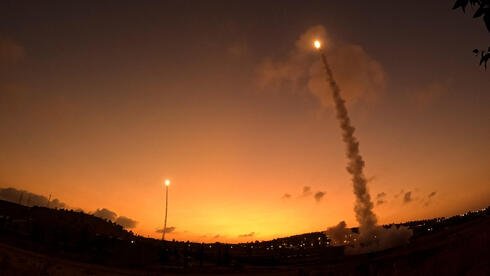
The Missile Defense Organization reported that 86% of ballistic missiles fired from Iran were intercepted — aided by newly upgraded Arrow systems installed just a week before the operation. The ministry said the potential damage averted was seven times higher than the damage incurred. Meanwhile, over 99% of Iranian drones were successfully intercepted following a breakthrough Iron Dome test in March against drone swarms.
The war also marked a first: Israeli drones operated continuously in the so-called “third ring,” carrying out more than 500 precision strikes and thousands of flight hours over Iran. “The UAVs reduced risk to manned aircraft, hunted launchers and missiles, saved many lives and minimized damage to Israel,” the ministry said. Combined with Operation Iron Swords, drones accounted for 60% of Israeli Air Force flight hours and half of all targeted eliminations.
Israel’s satellite network, according to the Space Directorate, captured more than 12,000 high-resolution images over Iran and helped provide secure, high-availability communications for the military. “Dozens of millions of square kilometers were imaged day and night, supporting rapid target acquisition without risking forces on the ground,” the directorate said.
In the early stages of the war and through to achieving air superiority over Tehran, Israel used a range of domestically developed stand-off munitions and precision-guided weapons, which had been developed by MAFAT and Israel’s defense industries over years. These systems allowed for remote, accurate strikes despite Iranian electronic warfare attempts.
“The ability to strike targets accurately from long range, even under electronic interference, is a unique Israeli capability,” the ministry said. Fighter jets operated over Iran with Israeli-made self-defense systems to protect against enemy missile threats.
Head of the Missile Defense Organization, Moshe Fatal, said the biggest success was the full integration of Israel’s defense systems and cooperation with U.S. systems. “We’re preparing for the next confrontation — enhancing capabilities, accelerating production and developing next-generation systems, all while keeping surprises ready for Iran.”
