


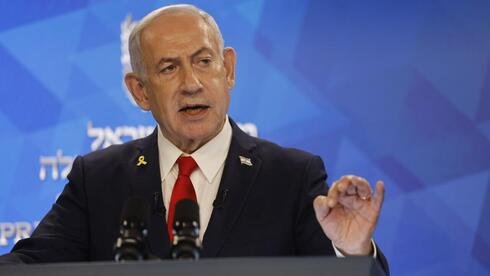
Netanyahu reiterated his commitment to securing the release of all 20 hostages still alive but avoided questions about partial deals or those already killed. “We cannot look our children in the eyes and leave the perpetrators of the massacre just beyond the fence, only meters away from our communities,” he said.
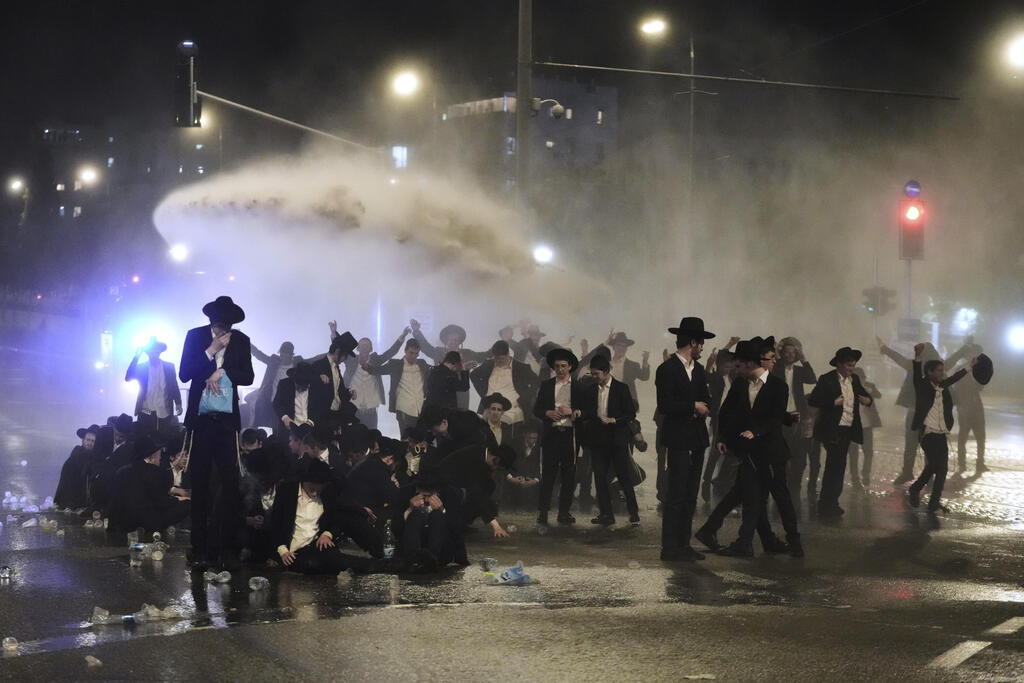
On domestic issues, Netanyahu vowed to advance legislation to draft ultra-Orthodox men into the military, promising the recruitment of 10,000 Haredim “quickly.” He criticized opponents for stalling the bill and said under new leadership in the Knesset committee, the legislation would move forward with personal sanctions for noncompliance.
Amid tensions with military leadership, Netanyahu stressed civilian control over the army, saying, “We are a country that has an army, not an army that has a country.” He insisted the government sets policy and the army carries it out, though he does not dictate military deployments.
Netanyahu defended Shas party leader Aryeh Deri against criticism after recordings surfaced of Deri urging ultra-Orthodox men not to enlist. Netanyahu said he does not support the remarks but noted Deri denied making them directly to him.
On Iran, Netanyahu claimed Israel had dealt significant damage to its nuclear program over the years and stressed readiness for a possible surprise attack.
The press conference included several awkward moments. Netanyahu confused Trump with President Joe Biden and mixed up Hamas and Hezbollah, prompting aides to quietly correct him. At one point, he asked for a glass of water.
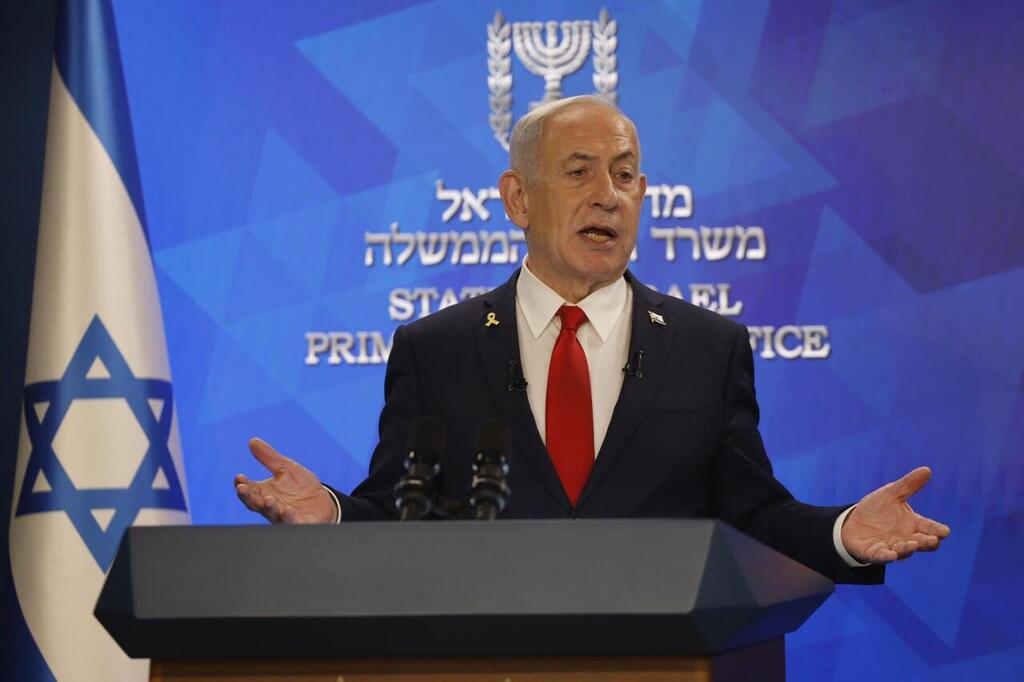
The event was held in a newly renovated media room equipped with a high-tech screen displaying maps of Gaza and Hamas strongholds, which Netanyahu used to underscore the goal of destroying the terrorist group’s last positions.
Netanyahu appeared to simplify his message for public support. While his session with foreign journalists was largely successful, he clashed with Israeli reporters, accusing them of “propaganda speeches” and flawed assumptions. He boasted of being Israel’s most articulate spokesperson, especially in English, despite lamenting that he does not appear often enough.
Netanyahu criticized Israel’s traditional public diplomacy apparatus as outdated in an era dominated by “perception campaigns, algorithms and bots.” He hinted that hundreds of millions of shekels transferred to the Foreign Ministry are helping meet these challenges. He cited successes in the “12-day war” against Iran and in preventing two protest flotillas aimed at Gaza but acknowledged Israel’s difficulties countering Hamas’s messaging on starvation and genocide.
