




An Ipsos institute's poll published on Wednesday showed AfD became the strongest party in Germany for the first time in history.
Support for Merz's conservative CDU/CSU bloc, which won the February 23 election, fell by five percentage points to 24% while the Alternative for Germany (AfD) gained three points to land on 25%, according to the Ipsos institute's poll.
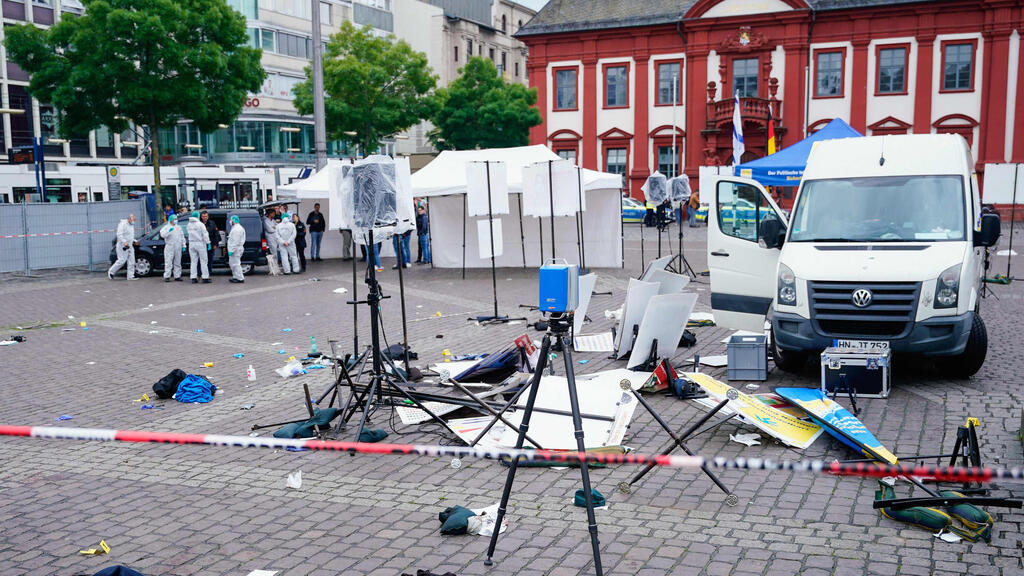
According to the investigative report, four days before the attack, Russian media accounts search on line for the words "terror attacks in Manheim" and "Terror attacks in Germany." The same accounts also searched the name " Michael Sturzenberger" who is a known anti-Islamist critic who was wounded in the attack and presumed to be its primary target.
German security authorities refused comment in the ZDF report but a spokesperson for German's Interior Ministry said the government was conducting a "serious investigation," of possible foreign involvement in the terror attacks.
Germany has been under increased Russian online attacks since the invasion of Ukraine and Berlin's support for Kyiv. If the suspicious prove true, they would be in addition to other Russian espionage operations, that were said to include the recruitment of German nationals to carry out acts of sabotage and blame them on elements in the far-left as well as sabotaging gas pipes and underground cables.
According to ZDF, five fatal terror attacks carried out in the past ten months, leading up to the February elections, occurred every time AfD showed it was losing popularity in public opinion polls.
AfD's platform clearly calls for Germany to leave the EU, it support Russian positions and opposes Germany's involvement in the war in Ukraine.
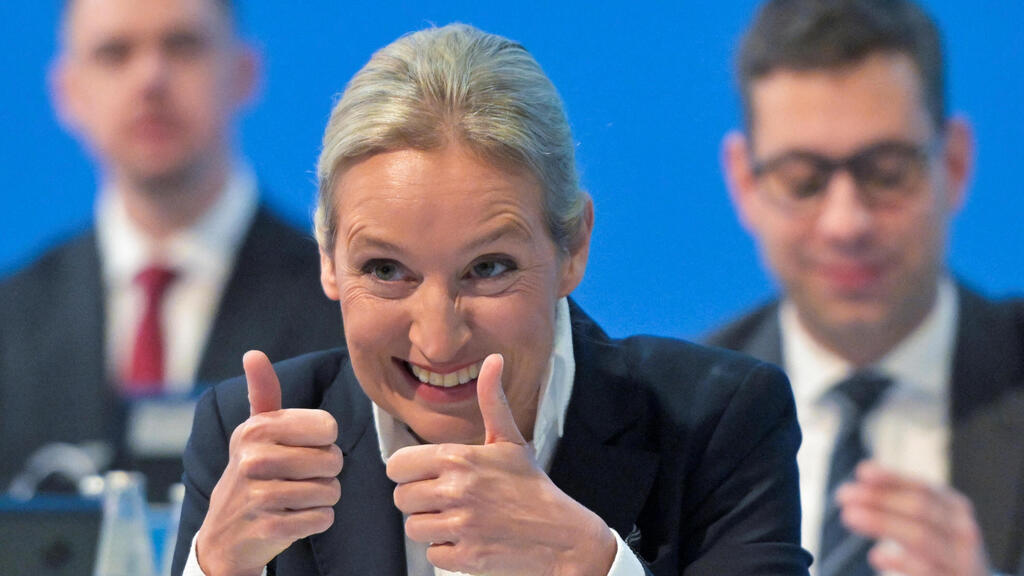
The German security authorities suspect that by recruiting migrants and asylum seekers to carry out attacks in Germany, Moscow wanted the public discussion on immigration to lead more German voters to support the AfD. Although no evidence has been shown thus far, that Russia was behind the terror attacks, their advantage to the Kremlin is evident.
While Germany is treading lightly, other NATO members such as Poland and Lithuania have openly accused Russian agents of recruiting migrants to commit acts of terror in their countries.
