


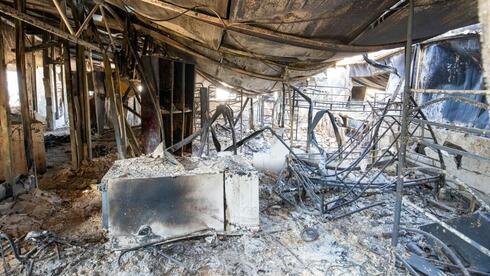
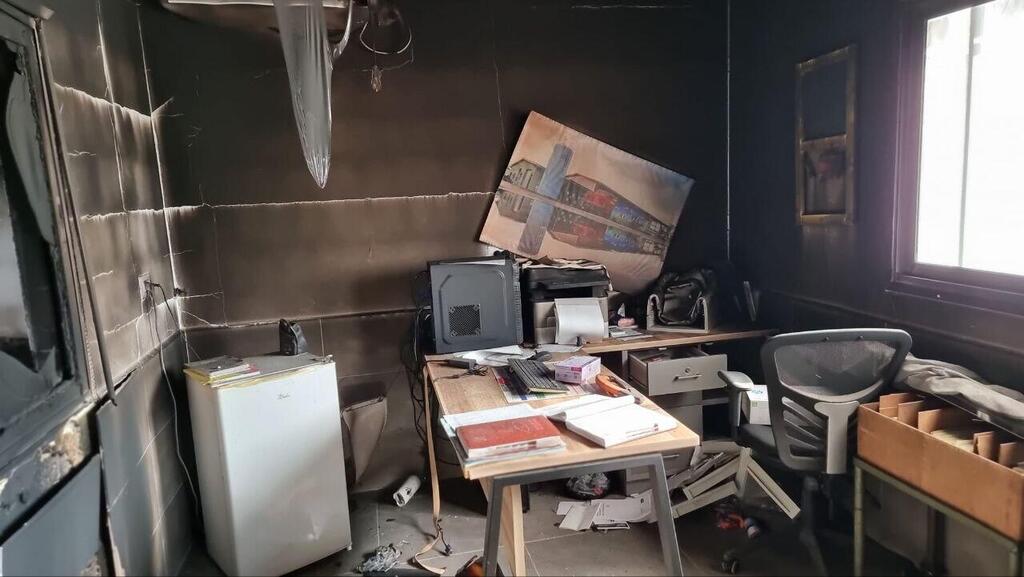
According to the IDF inquiry, at 6:38 a.m. on October 7, the kibbutz security coordinator was alerted by an IDF operations room soldier about a possible terrorist infiltration and was advised to activate the alert squad. However, the security coordinator hesitated due to ongoing rocket fire, responding, “Why? So we can get rockets on our heads?”
After consulting with a nearby officer, the operations soldier agreed, telling him, “Understood. You may stay in the shelter and await orders.” As a result, the alert squad was not mobilized.
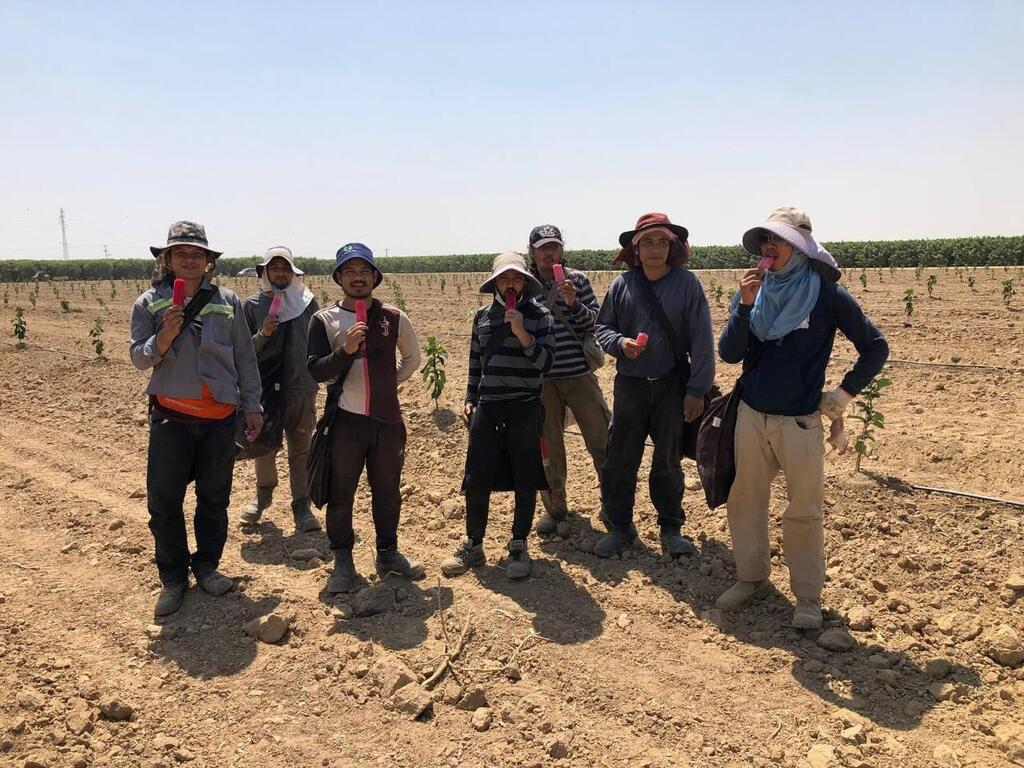
At 7:00 a.m., a terrorist cell of 10 Hamas operatives breached the rear gate of the kibbutz and launched a massacre at the Thai and Nepali workers’ housing. The group then advanced toward the main entrance, reaching Highway 232 by 7:10 a.m., where they murdered Nova festival survivors seeking refuge.
At that point, a Golani Brigade force arrived and engaged the terrorists, killing one. The remaining attackers retreated back through the rear gate and returned to Gaza.
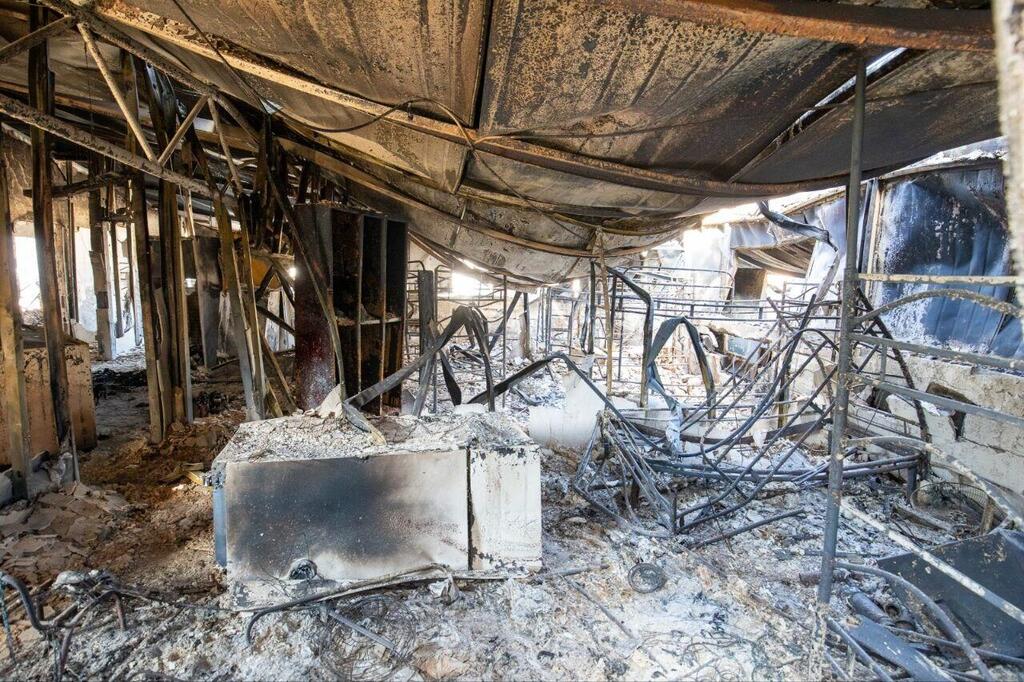
Hearing gunfire inside the kibbutz, 15 members of the alert squad attempted to mobilize on their own—but found the weapons storage facility locked.
Recordings obtained by Ynet capture the panic as residents frantically searched for the key: "Do you have the key to the armory? We need weapons now, everyone to the armory—urgent!" one voice is heard saying.
Another voice, identified as Amichai Shaham, responds: "I don’t have the key. I’m armed with a pistol on the inner road—if someone gets here."
In the recording, he warns, "The shooting is very close. I think it’s coming from the Thai workers’ housing—there are explosions and massive gunfire."
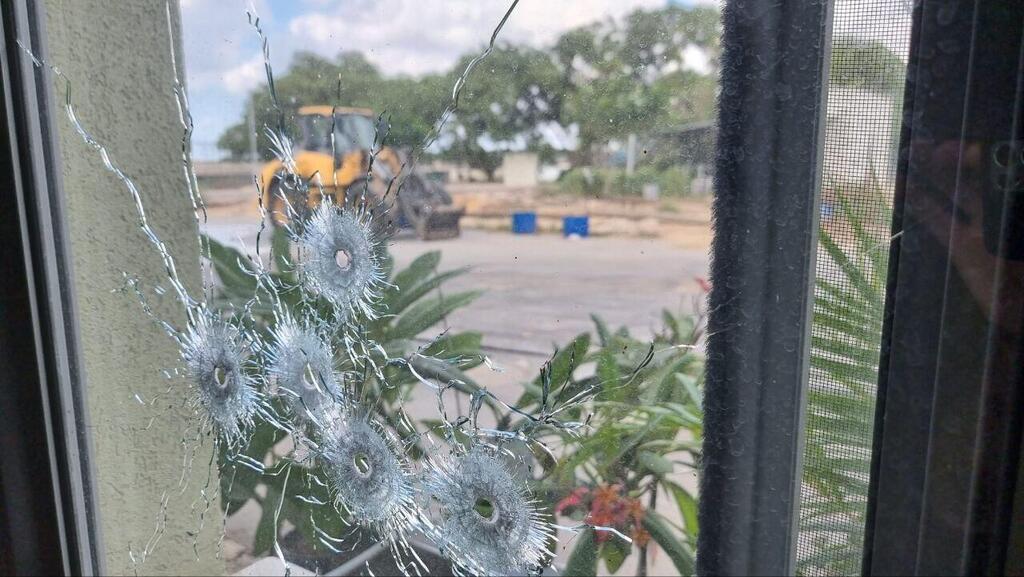
At 7:22 a.m., the security coordinator finally arrived with the key, allowing the team to arm themselves and begin sweeping the kibbutz—tending to the wounded at the foreign workers’ housing complex and securing the main entrance.
The IDF commended in its report the bravery of the kibbutz's alert squad and residents, who continued fighting throughout the day.
At 9:20 a.m., nearly three hours into the Hamas assault, additional terrorists in pickup trucks breached the fence near the orchards. Shaham was the first to respond, firing at the attackers before being severely wounded. The remaining terrorists stormed the kibbutz, launching another massacre at the workers' housing.
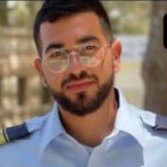
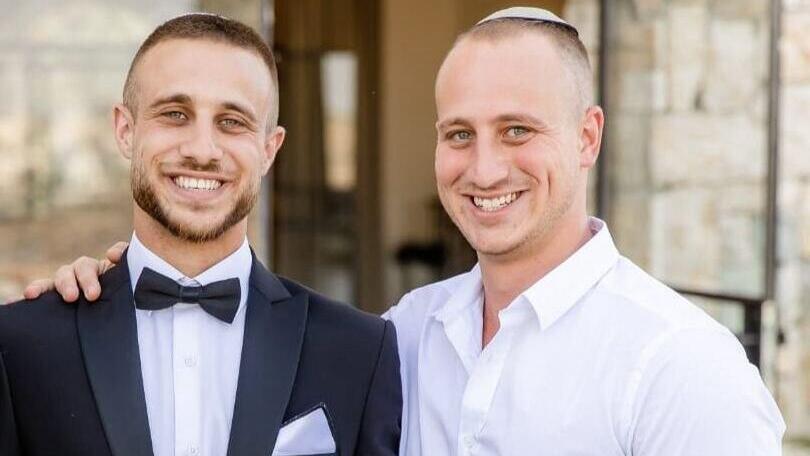
Minutes later, another gunfight erupted outside the main gate, where a Yasam unit engaged Hamas operatives. Sgt. First Class Gvili was killed in the battle, and his body was taken to Gaza, where it remains. Brothers Noam and Yishay Slotki also fell in the same battle.
An IAF combat helicopter later struck targets near the kibbutz’s packing house, eliminating multiple Hamas terrorists.
Inside the kibbutz, alert squad members fought alone until 11:30 a.m., when the first Masada Prison Service counterterrorism unit entered. They were later joined by Yahalom, Shaldag and Golani forces.
During the battle inside Kibbutz Alumim, Capt. Itay Cohen and Ido “Crido” Rosenthal were killed. Four members of the alert squad were wounded.
As the fighting in Kibbutz Alumim wound down on October 7, a man ran toward an IDF unit near the gate around 7:00 p.m., shouting in Thai. Soldiers, believing the area had already been cleared of terrorists, mistook him for a Hamas operative and shot him dead.
It was later revealed that the suspect was a foreign worker, likely from Thailand, who was in severe shock and distress. Even 17 months later, his identity remains unknown to the IDF. Officers who investigated the incident believe he may have fled from Moshav Shuva, a nearby agricultural community.
The presentation of the findings began with a moment of silence. A Kibbutz Alumim resident told Ynet that, similar to briefings in other attacked communities, "military representatives repeatedly apologized throughout the session."
However, she expressed frustration with the scope of the inquiry, saying, “It’s strange to have someone walk into your home and tell you what happened in your own house. Most of the fighting here was done by the alert squad, but they didn’t really sit down with all of us to investigate. I wouldn’t call this a comprehensive inquiry—it was a military investigation, focused on the army’s actions.”
She acknowledged that the IDF did a relatively thorough job but also had its shortcomings, adding that new details emerged from the briefing.
According to the findings, about 350 IDF soldiers operated in and around the kibbutz that day, though most had not originally been assigned there—they were passing through on their way to Be’eri and other locations.
The resident also criticized the response to the massacre, arguing that the murder of 22 foreign workers had not been treated with the same urgency as Israeli casualties.
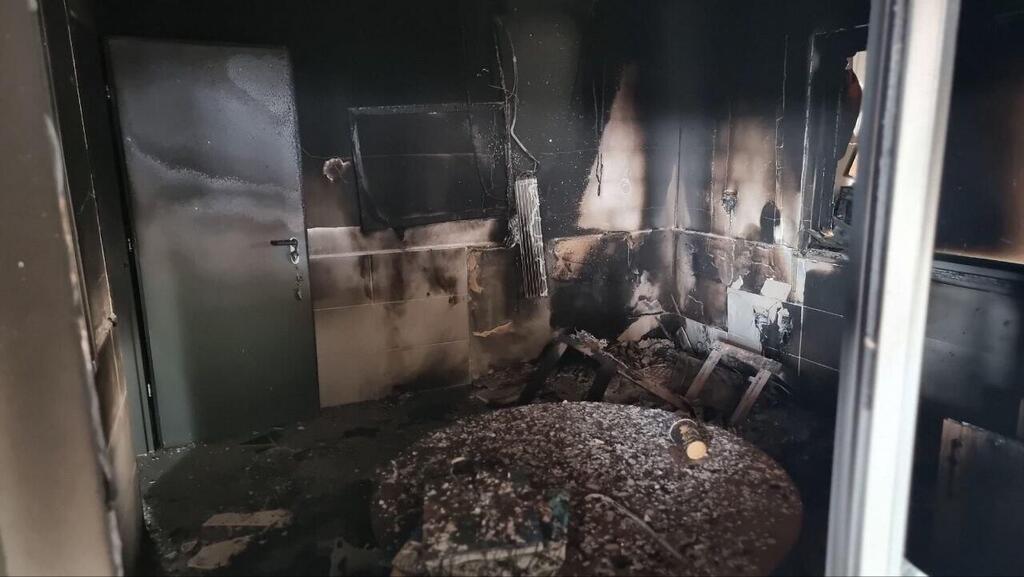
“If our 22 murdered workers had been Israeli and not foreign laborers, the entire story here would have been handled differently—and it would have exploded into a national scandal,” she said.
She also noted that some wounded workers were given tourniquets but later died from blood loss after hours without medical attention, suggesting that had they been Israeli, they would have received different treatment.
In response, the IDF said, “The investigation into the battle at Kibbutz Alumim was presented to the community, and its findings will be released in the coming days. The IDF failed in its mission to defend the communities on October 7 and bows its head in memory of the fallen.”
The statement also praised the bravery of those who fought that day. “The IDF honors the heroism of the alert squads, IDF soldiers, reservists and civilians who fought with determination and dedication during the battle.”
