


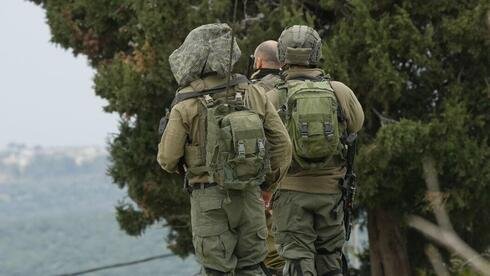
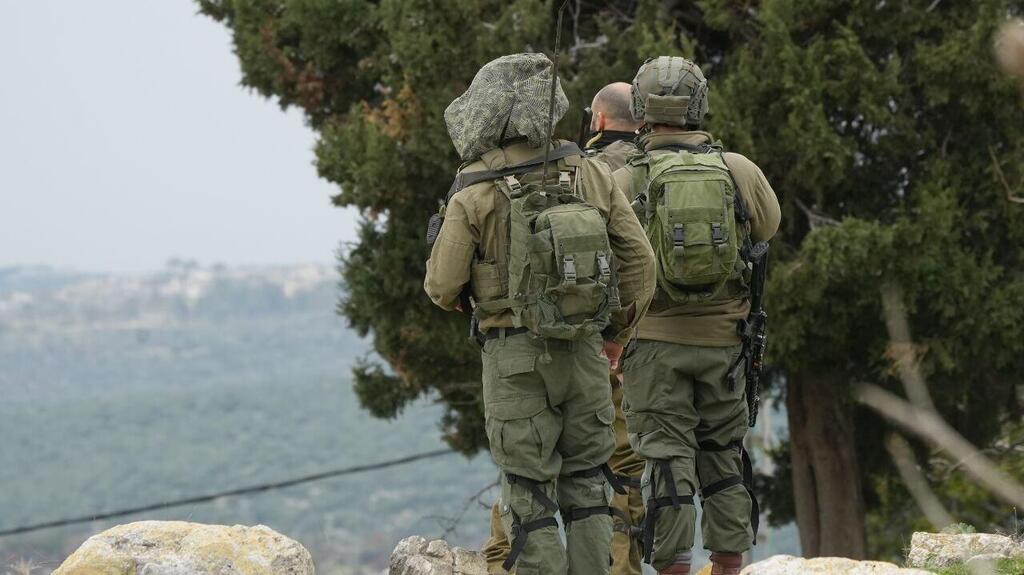
Lebanese protesters gathered near the border, some crossing the Blue Line, an anti-tank missile was fired at the Ghajar area and operatives stole a surveillance camera from the border fence near Metula. Later, a massive weapons stockpile was discovered just meters from Israeli communities, intended for use in a future raid.
During his July 2023 inspection, Englman found that IDF soldiers were repeatedly deployed to the border, sometimes up to ten times per night, due to alerts — most of which turned out to be false.

This eroded soldiers’ vigilance and put them at risk. The comptroller also warned that as of June 2023, only parts of the border barrier had been completed and that the operational procedures governing soldiers' use of force did not align with the threats they faced.
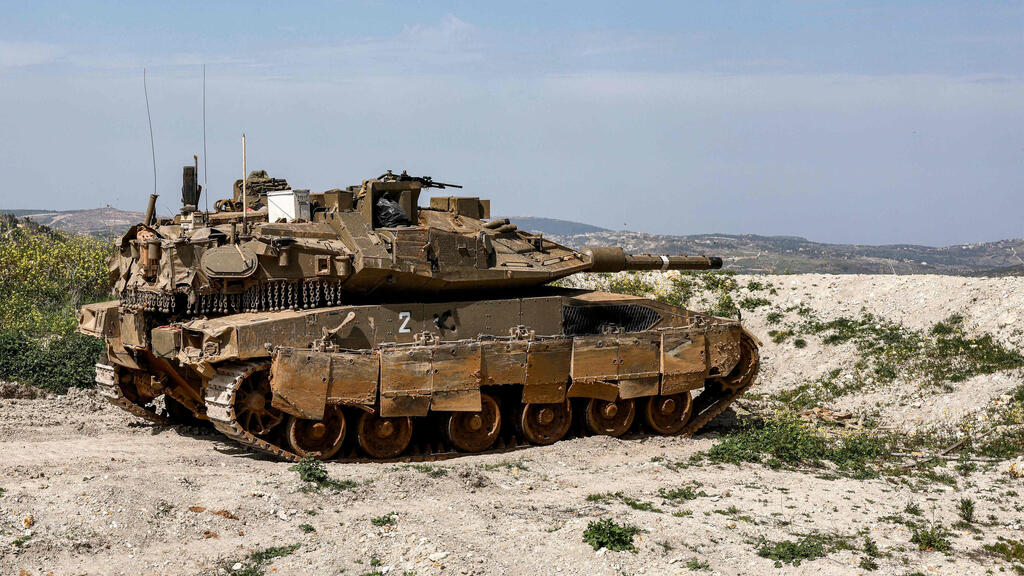
Additionally, certain IDF vehicles at one outpost were outdated and frequently malfunctioned, forcing commanders to cancel operational patrols, including during the inspection. In some outposts, soldiers conducted patrols in unarmored vehicles.
Englman also found failures in fortifications and infrastructure, particularly regarding security measures and the troops' operational conduct at and around the outposts.
The comptroller’s report also highlighted non-military failures. One outpost on the Lebanese border, along with others in the Golan Heights, was not connected to the power grid. Commanders reported that during winter, generators could not meet heating demands.
In another outpost, kitchen and dining facilities were in poor condition, with rusted equipment, cramped seating and no air conditioning. Stray cats were also present.
Living conditions were substandard in some locations. In one outpost, soldiers' rooms had outdated air conditioners that failed to cool properly. A mortar unit was housed in a shipping container outside the main residential area, with no air conditioning or reliable power supply.
The comptroller also found medical shortcomings. As of July 2023, one battalion on the Lebanese border had been without a permanent doctor for weeks, forcing soldiers to seek medical care from regional or neighboring unit physicians. Englman warned that the absence of a dedicated battalion doctor reduced medical response availability and could compromise care during combat situations.
"This report, submitted before October 7 to the prime minister, defense minister and IDF chief of staff, should have served as a warning sign about gaps and failures in border security,” Englman wrote. “The report underscores the critical importance of state oversight and the responsibility of officials to cooperate with audits, recognize their value and address failures in advance."
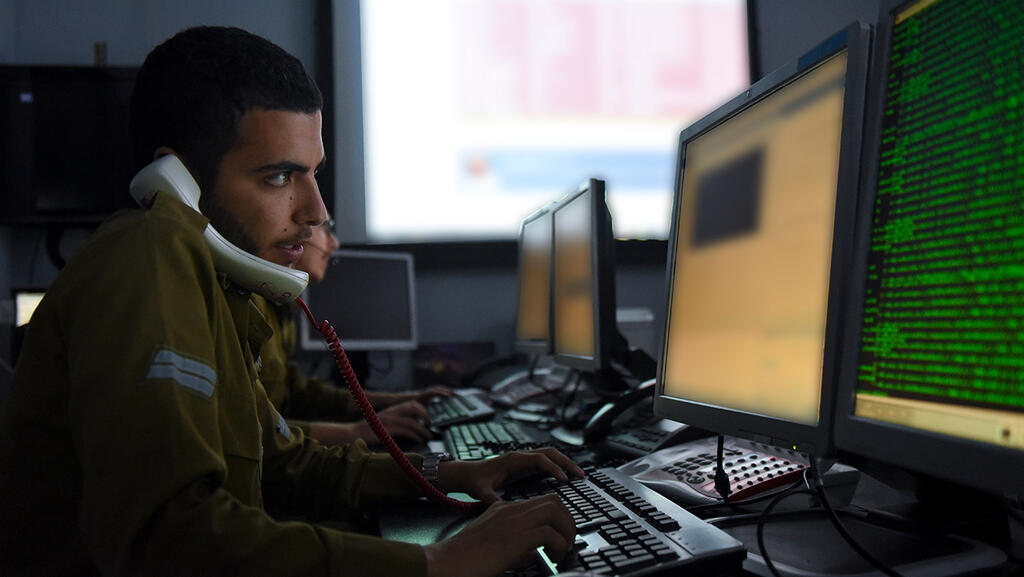
A separate section of the report focused on cybersecurity weaknesses in the IDF Home Front Command’s command-and-control system. The comptroller found that despite existing threat assessments, the Home Front Command had not defined cyber threats, analyzed potential attack scenarios or implemented a structured risk management process.
Additionally, the directorate had not provided clear guidance for establishing and operating a Security Operations Center (SOC) for the Home Front Command. The lack of structured oversight could weaken cybersecurity monitoring and response capabilities.
Repeated audits found the same unresolved issues. Englman wrote that the Home Front Command had not fully addressed failures, failed to document them properly and conducted only partial follow-ups, contrary to its own cybersecurity protocols.
The audit also examined decision-making processes within Israel’s defense sector, including domestic and international operations. Some findings remain classified. Between 2018 and 2022, approximately 65% of decisions by a key ministerial committee were approved without convening meetings or holding discussions among members.
Regarding an unspecified military activity, the report noted a lack of coordination between the IDF’s Planning Directorate and the Defense Ministry. This gap, according to Englman, undermined the directorate’s ability to influence policy.
The comptroller stressed that the unspecified defense sector activity has significant implications for Israel’s security, economic growth and national resilience.
However, the audit found severe management failures, including unclear policy guidelines, weak coordination between agencies, regulatory loopholes and improper budget reporting. Additionally, no oversight mechanism was in place for critical aspects of the activity.
While the full report remains partially classified, Englman stressed that the findings highlight critical failures in border security, military preparedness and cybersecurity, raising concerns about Israel’s ability to address future threats.
