


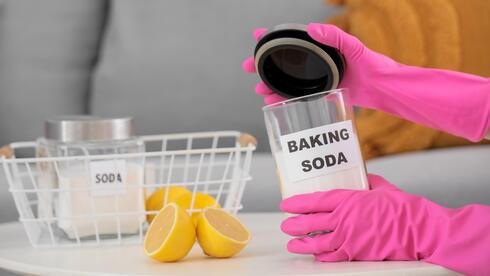
But why should cleaning our homes come at the expense of our health and air quality? And why spend hundreds of shekels on industrial cleaners when natural, nearly free alternatives are already in our kitchens?
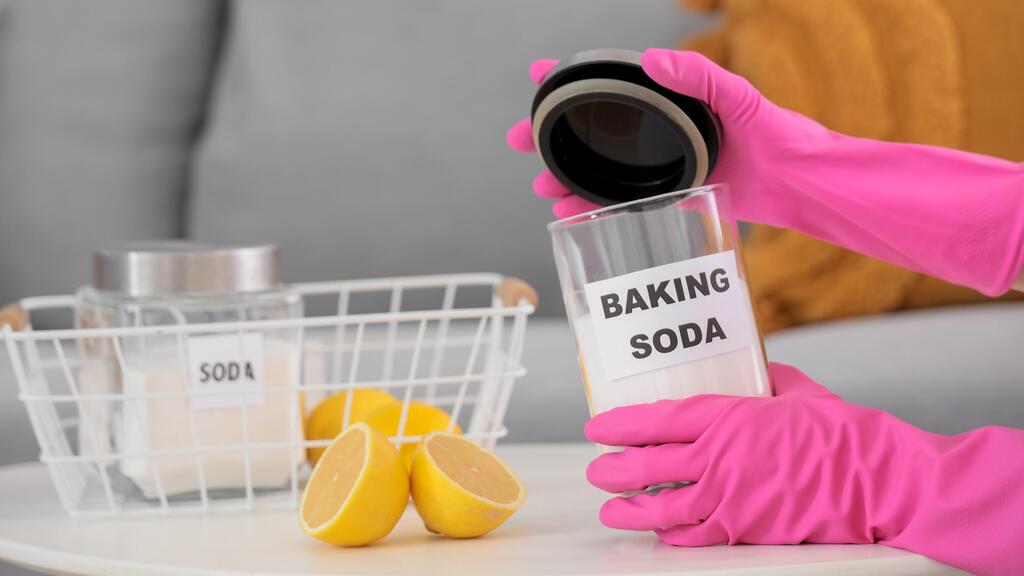
That’s why, this year, I’ve decided to offer a healthier and more economical alternative: a practical guide for cleaning that’s gentle on the body, the environment and your wallet — all using natural ingredients found in almost every home. Surprisingly (or not), they’re often more effective than most supermarket brands.
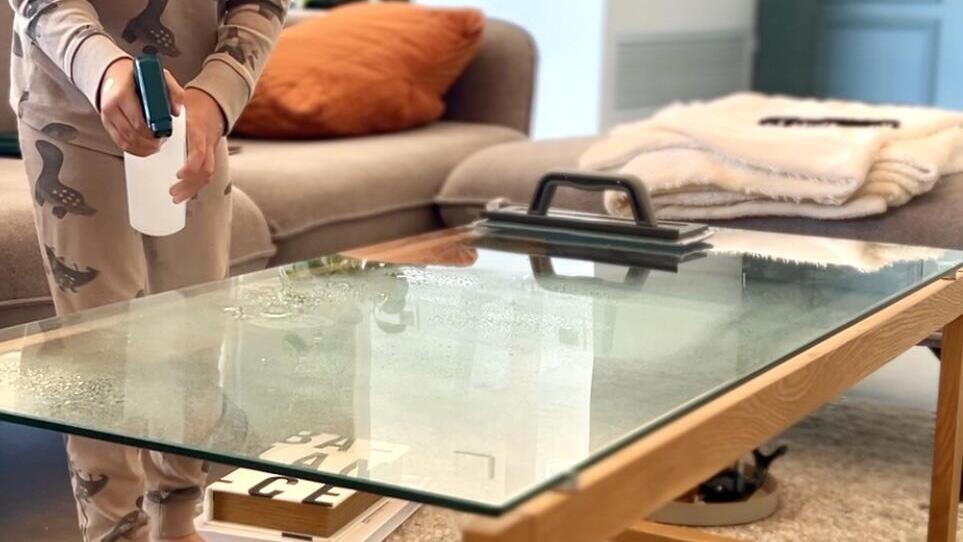
Glass surfaces show immediate results when cleaned right. A mix of vinegar, alcohol and water, applied with a microfiber cloth, gets the job done without streaks or residue.
• 5–10 drops essential oil (for scent)
Mix in a spray bottle, shake well, spray directly and wipe immediately with a microfiber cloth.
Kitchen grease builds up fast. Baking soda breaks down the fat, lemon adds natural acidity and warm water turns it into a gentle yet effective paste.
• 1 tbsp fresh lemon juice
Mix into a paste, apply to greasy surfaces, let sit for 5–10 minutes, then scrub gently.

The bathroom quickly reveals whether a home is well maintained. But strong chemical fumes aren’t necessary. Common household items do the job without irritating the eyes or throat.
Myth alert: Mixing vinegar and baking soda may look powerful due to the fizz but the chemical reaction actually reduces their individual cleaning power. Use them separately for best results.
For limescale on faucets and showerheads:
Fill a small plastic bag with vinegar, secure it over the fixture with a rubber band so it's submerged and leave for 20–30 minutes. Rinse with hot water and wipe clean. Repeat monthly.
For cleaning glass and tub walls:
Mix in a spray bottle, apply, wait 5 minutes, scrub gently with a soft sponge, rinse and dry with a squeegee.
For mold in corners and walls:
• 20 drops tea tree essential oil
• 20 drops clove essential oil
Spray on mold, wait 20 minutes, rinse with hot water and wipe. This mix breaks down mold spores naturally — no bleach needed.
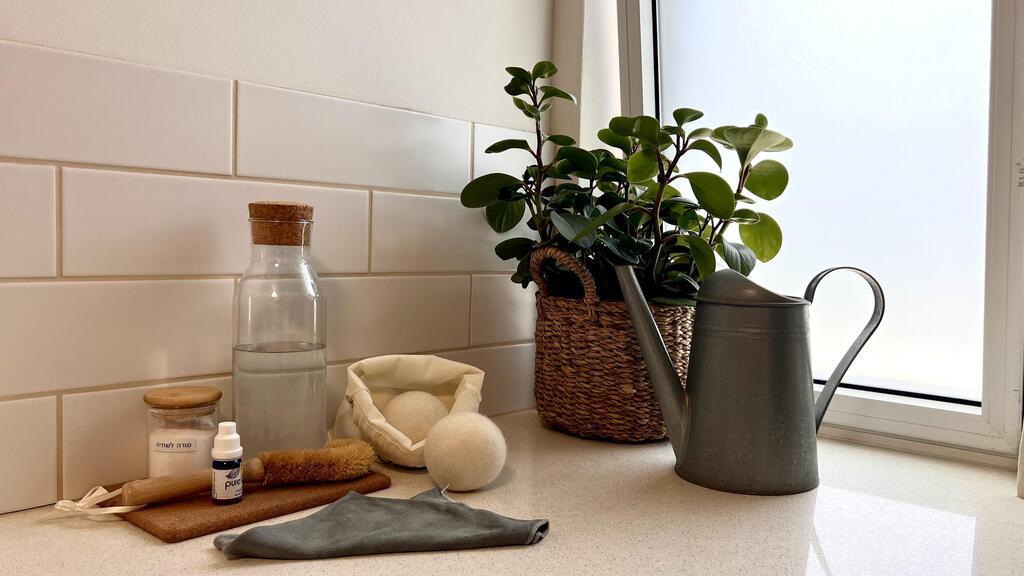
Industrial cleaners don’t belong near food. A simple vinegar-water mix keeps the fridge clean without chemical odors.
• 5 drops lemon essential oil (optional)
For heavy buildup, wash shelves with hot water and dish soap. Then spray and wipe with a damp cloth.
Place an open container with 2 tbsp baking soda and half a sliced lemon inside the fridge.
Your washing machine quietly collects detergent residue, limescale and mold. A deep clean every 2–3 months helps maintain performance and freshens the drum.
• 1 cup vinegar (in fabric softener tray)
• 2 tbsp baking soda (directly in drum)
Run a hot cycle (195°F / 90°C). If possible, pause mid-cycle to add baking soda before continuing.
In this case, combining vinegar and baking soda is actually effective. The reaction releases CO₂ bubbles that help loosen grime and buildup inside the drum and pipes.
Items that children touch or put in their mouths need regular, gentle cleaning. This citrus-based spray disinfects without harsh chemicals.
• 1 tbsp alcohol (70%, if available)
Combine in a spray bottle, apply and wipe with a clean cloth.
My personal rule: If I wouldn’t eat or drink it, I won’t clean with it. Most commercial cleaners don’t just disappear after use — we inhale them, touch them and live with their residue.
Today, my home is clean without the clutter of toxic products. No overpowering scents, no overpriced “premium” bottles and no guilt for not picking the most aggressive chemical on the shelf.
Don’t get discouraged if your first clean takes longer — grime that’s built up for months won’t disappear in minutes. But with patience and consistency, stains and bacteria will fade.
Every time you skip buying another bottle, you’re protecting more than your budget. You’re taking care of yourself. A naturally clean home is calmer, healthier and easier to breathe in.
So this Passover, skip the rows of plastic at the store. Instead, head to the food aisle and grab white vinegar, baking soda and lemons. You might be surprised how effective — and refreshing — they are.
A final note: Even natural substances require care. Use proper ratios, avoid dangerous mixes (like vinegar with bleach) and always test on delicate surfaces.
