


It is time for democratic nations to unite in an international task force against hostage diplomacy and establish a treaty of maximum pressure and accountability toward those who exploit human lives for leverage.
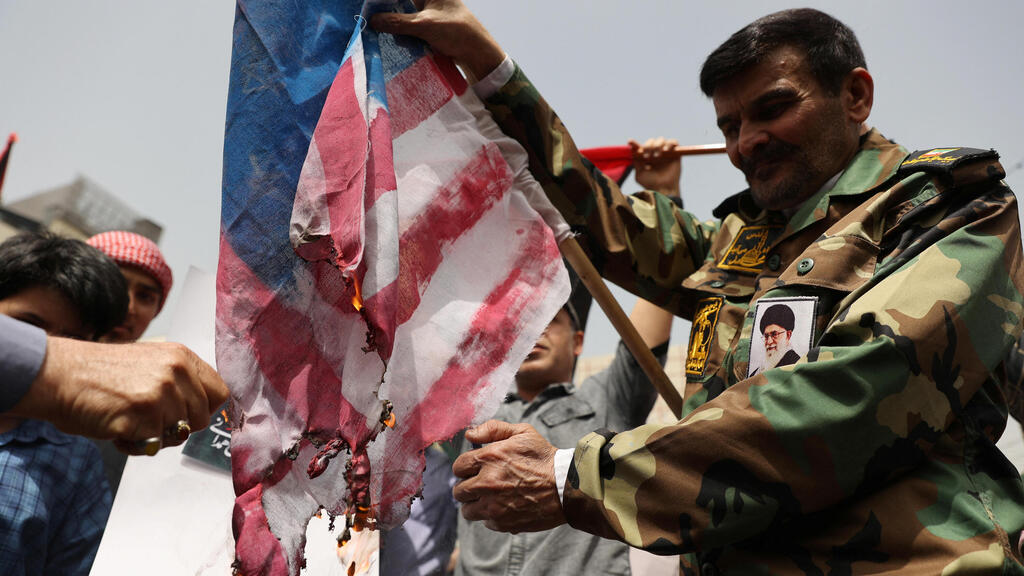
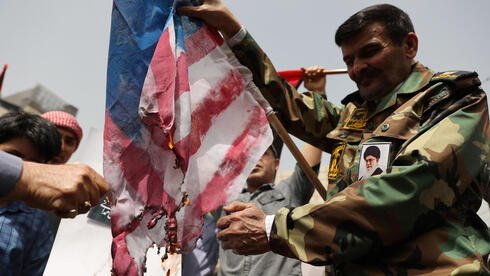
Since the Islamic Coup in 1979, the regime in Iran has turned hostage-taking into a calculated tool, where civilians are reduced to bargaining chips for political and financial gain. A critical distinction often ignored is between hostages taken for extortion and those targeted for extermination, a difference that the world too often overlooks.
The former includes foreign nationals detained arbitrarily and subjected to torture, who are eventually released after negotiations and payouts. The latter, however, comprises individuals such as Iranian dissidents, Israeli citizens, and Jews, who face not only extortion but often violent fates with minimal international response.
Jamshid Sharmahd, an American-German journalist advocating for freedom movements in Iran, survived an assassination attempt by Islamic regime agents in Los Angeles before being kidnapped in Dubai in 2020. Taken to Iran, he was tortured and sentenced to death.
The hypocrisy of the West in responding to hostage-taking is glaring. When Israeli or Iranian dissident hostages are taken, there is little international unity in holding the perpetrators accountable.
Meanwhile, Western governments often rush to negotiate with terrorist entities to secure the release of their own nationals. Both approaches fail: they incentivize hostage-taking by avoiding the real issue—holding the perpetrators accountable.
The Biden administration’s $6 billion deal with the regime in Iran is a case in point. Concluded shortly before the October 7 massacre, this scandal left several American hostages behind and failed to secure the life of Jamshid Sharmahd.
Instead, $6 billion in assets were released for so-called “humanitarian use,” with Qatar—known for supporting jihadists like Hamas—as an intermediary. The Islamic regime openly acknowledges that hostage-taking provides vital income, so it’s no surprise that Hamas employs similar tactics, resulting in atrocities like October 7.

History shows that even successfully rescuing hostages without dismantling the networks behind such acts leads to further bloodshed. The hijackings of the 1970s and 1980s—such as Sabena Flight 571, Air France Airbus, and TWA Flight 847—underscore this. Though hostages were rescued, the perpetrators faced minimal consequences, allowing such tactics to continue.
Until Western nations stop appeasing terrorists and rogue regimes, these groups will continue using hostages as pawns. Imagine if, on October 8, global powers had pressured Qatar or Turkey to demand Hamas release the hostages.
Imagine if the Islamic regime in Iran faced consequences so severe that hostage-taking became an unthinkable strategy. Instead, nations like Israel are left to make painful decisions, including releasing convicted murderers, in deals with jihadists like Hamas.
The solution to ending hostage diplomacy is clear but challenging. A global task force led by world leaders must synchronize efforts to apply maximum pressure on terrorist regimes and organizations. This requires freezing assets, cutting financial resources, pursuing legal actions, and isolating them diplomatically. Denying these entities access to funding deprives them of the resources needed to perpetuate their reign of terror.
To truly break the cycle, we must treat hostages as human beings, not bargaining chips. Governments must prioritize the safety of hostages kidnapped by jihadists such as the Islamic regime in Iran, Al-Qaeda, HTS, Hezbollah, Hamas, and the Taliban, ensuring their safety before considering concessions.
For the victims of October 7, for Jamshid Sharmahd, and for every innocent life caught in this deadly practice, we must say, “No more.”
